
- Home
- Products
- Wooden Spork
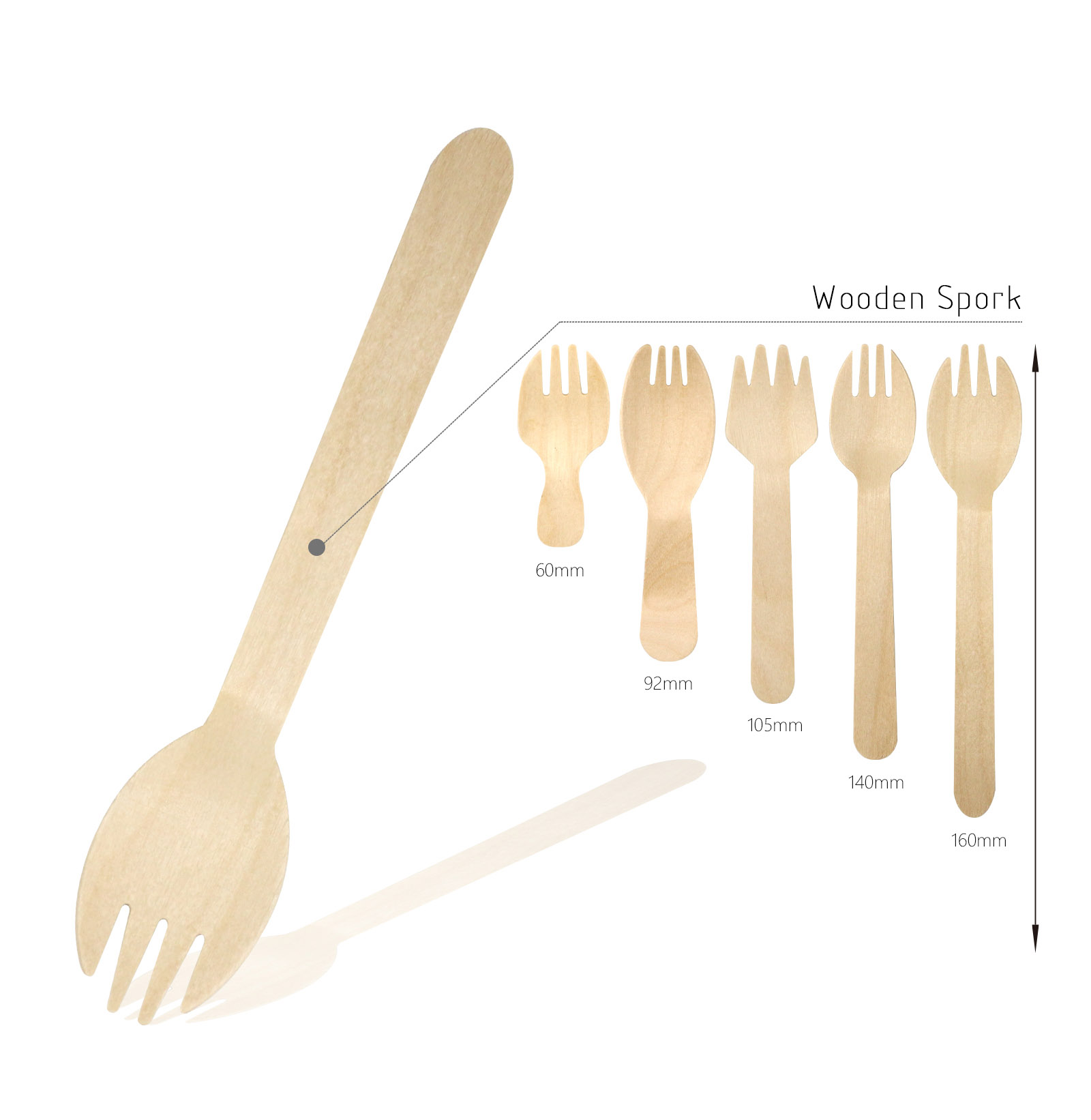
- 140mm Wooden Spork
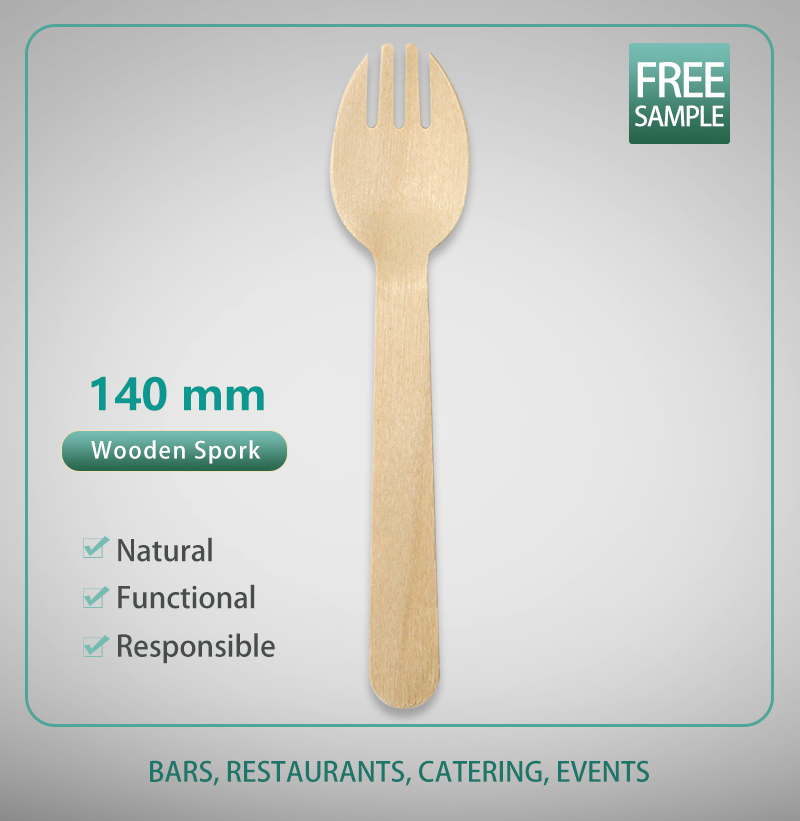
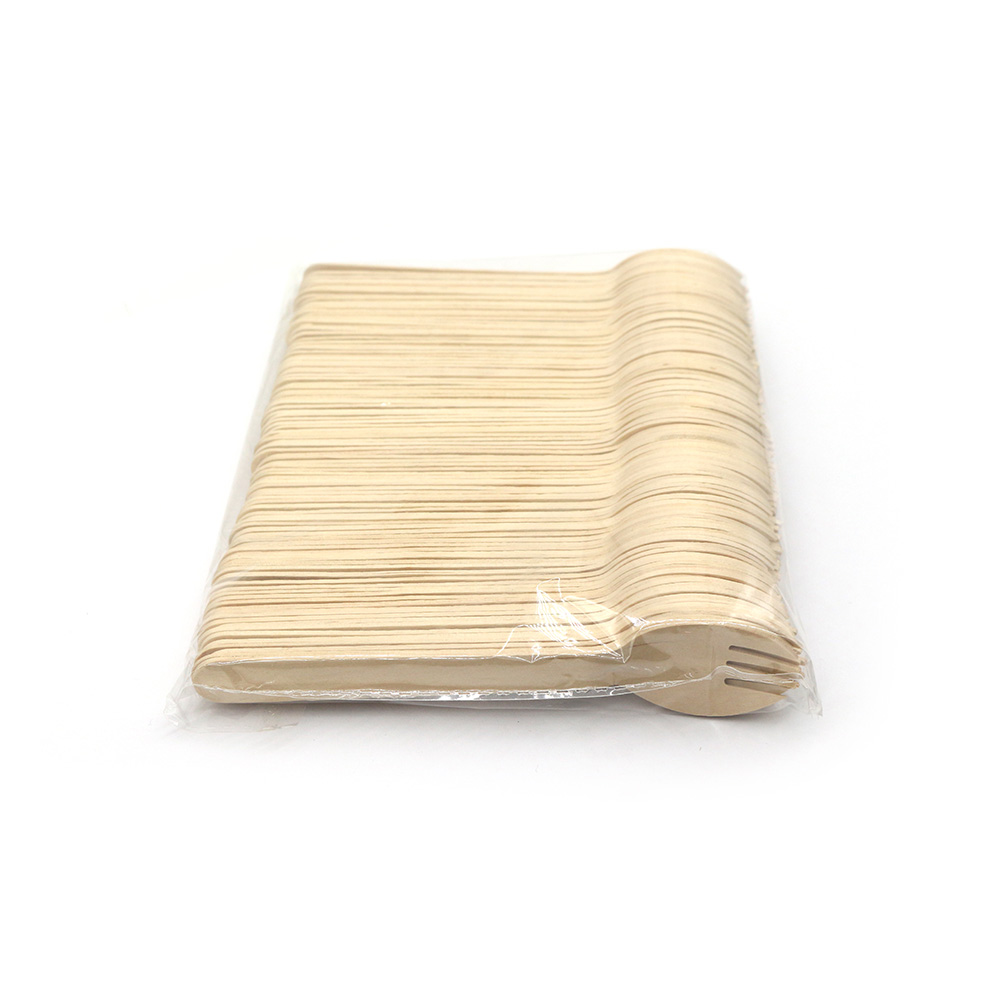
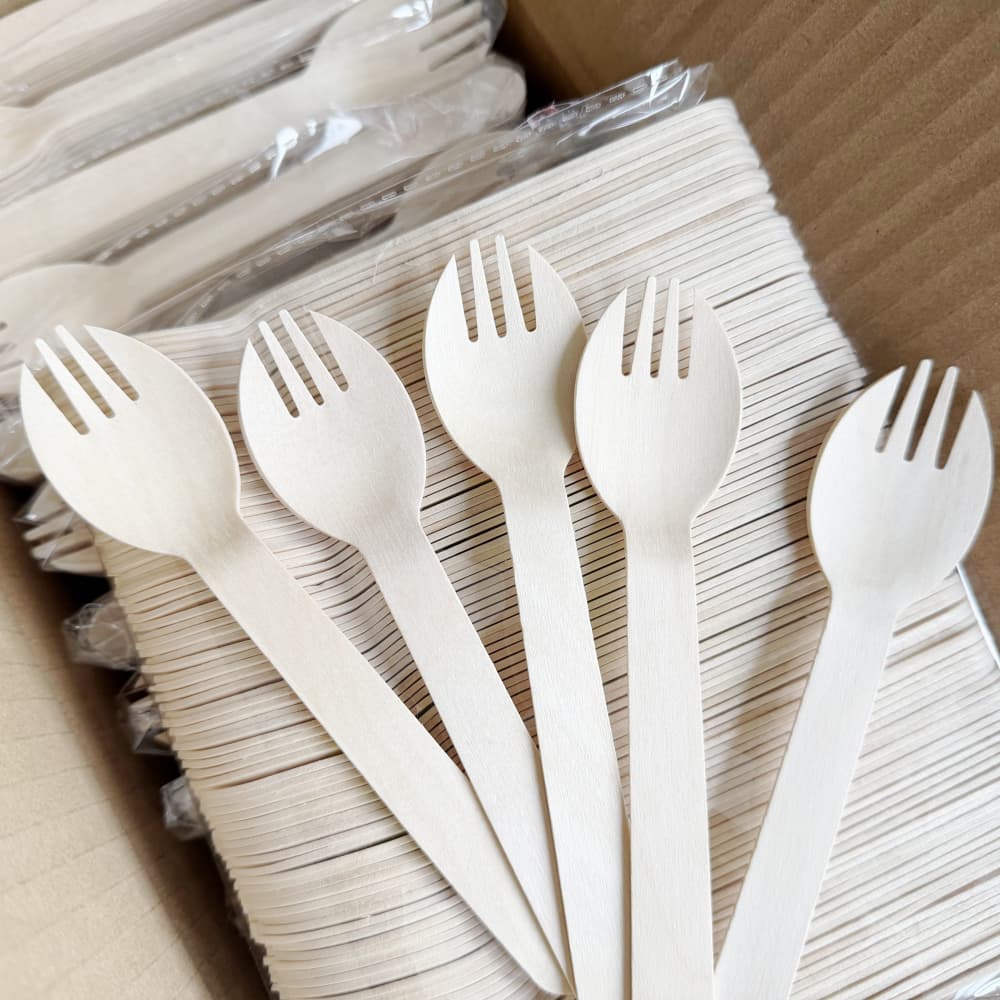
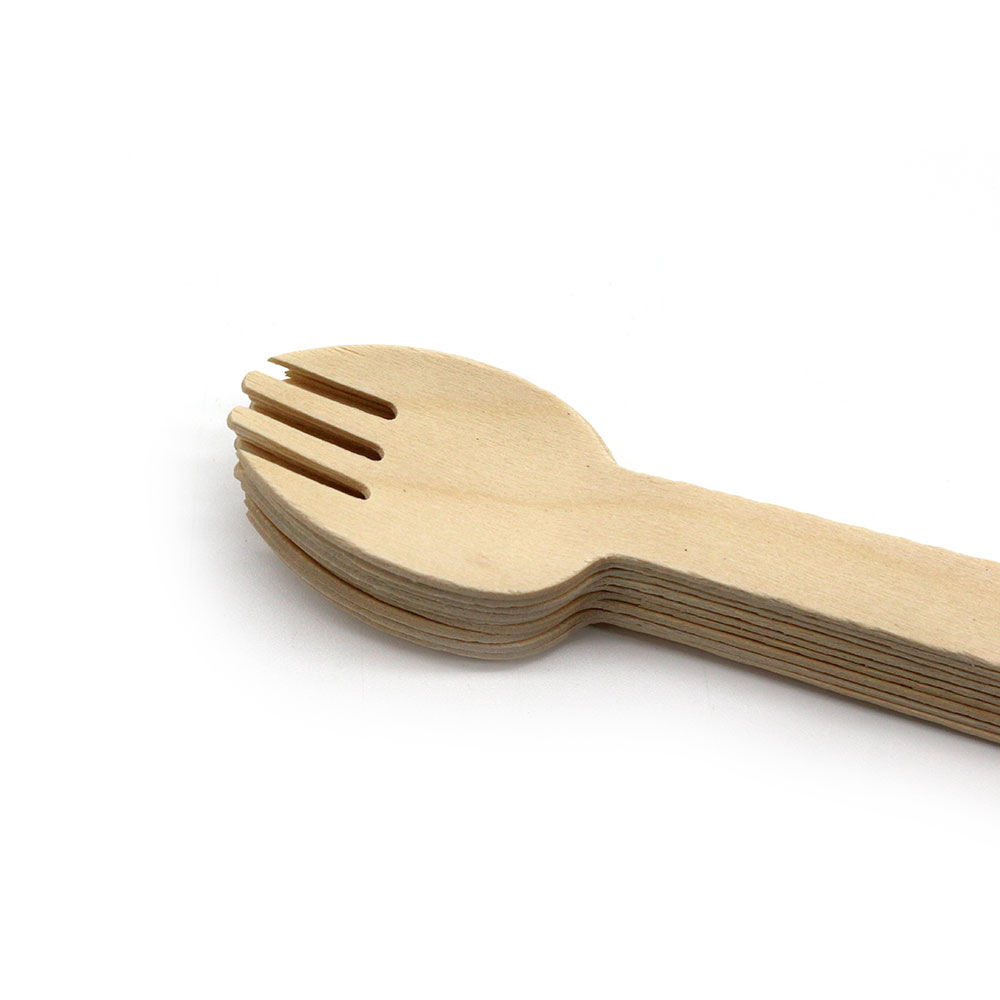
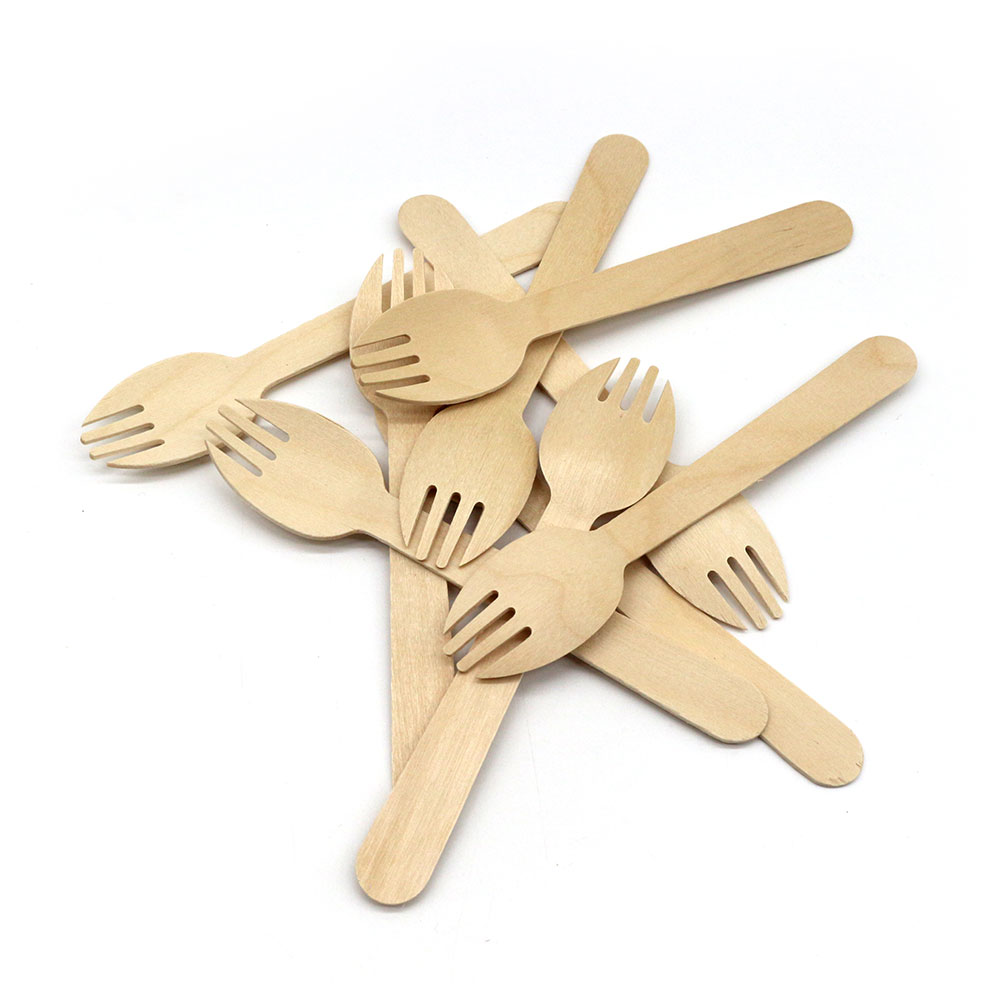


140mm Wooden Spork
2-in-1 fork and spoon design made from natural wood.
Biodegradable, sturdy, smooth, and food-safe — a smart alternative to plastic cutlery.
- Made from natural wood with no plastic or chemical coatings
- 100% biodegradable and compostable
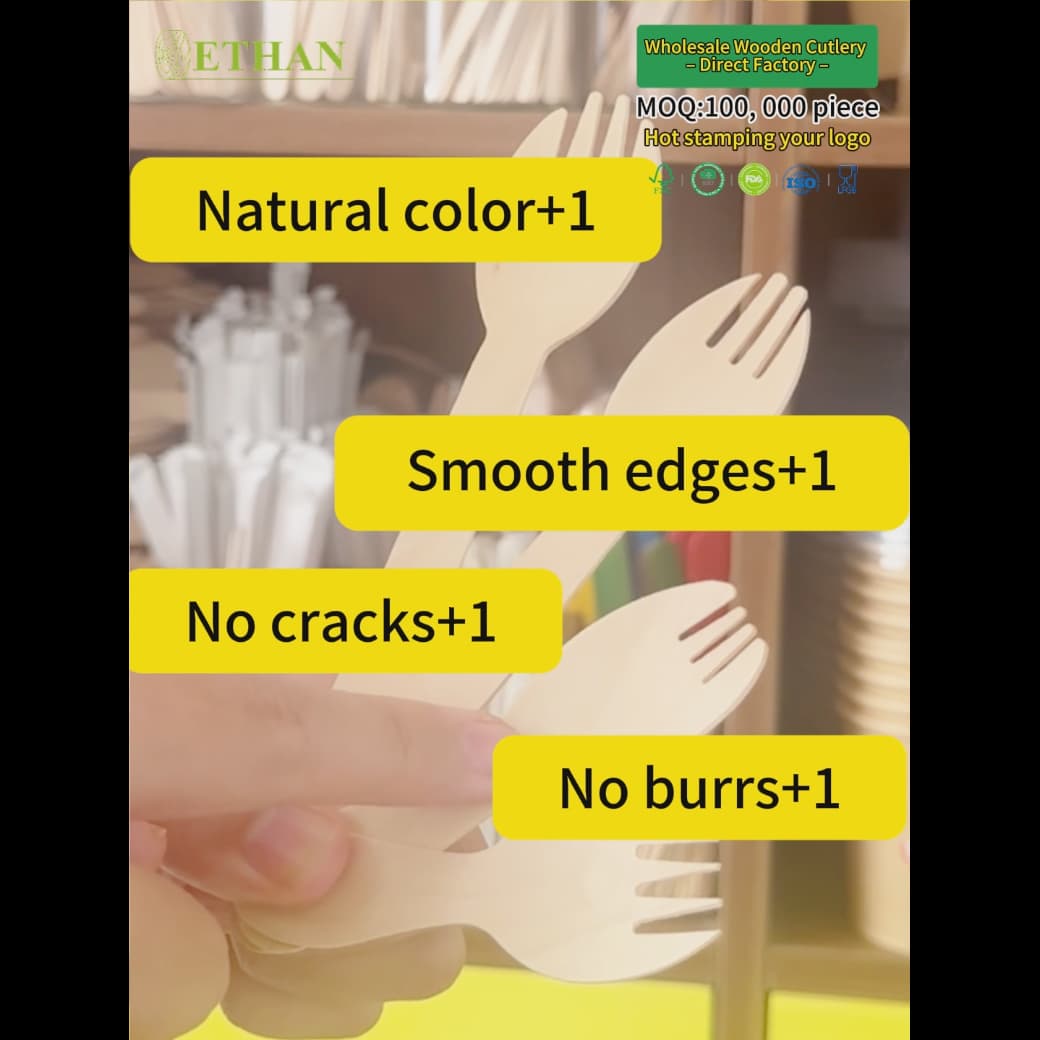
- Smooth, splinter-free finish
- Multiple sizes available
- High strength, resistant to bending and breaking
Description/Video
Download
Parameters
-
Multiple shapes and sizes available
Made from natural wood with no plastic or chemical coatings
Multiple shapes and sizes available
100% biodegradable and compostable
Compliant with global plastic-reduction regulations
Carefully polished for a smooth finish
Comfortable mouthfeel and safe to use
Clean and natural appearance
-
OEM Solution Provided
We developed a fully customized OEM wooden cutlery set, including forks, knives, and spoons, made from responsibly sourced natural birchwood. Each piece features the client’s logo and brand name through heat-stamped engraving, ensuring a clean, long-lasting mark without inks or chemicals.
Key Customization Highlights
Material: FSC®-certified birchwood, food-grade and plastic-free
Branding: Precision heat-stamped logo on handles
Design: Smooth edges, splinter-free finish for safe and comfortable use
Product Range: Spoon + fork + knife, tailored to different menu needs
Packaging: Compatible with takeaway boxes and delivery meal kits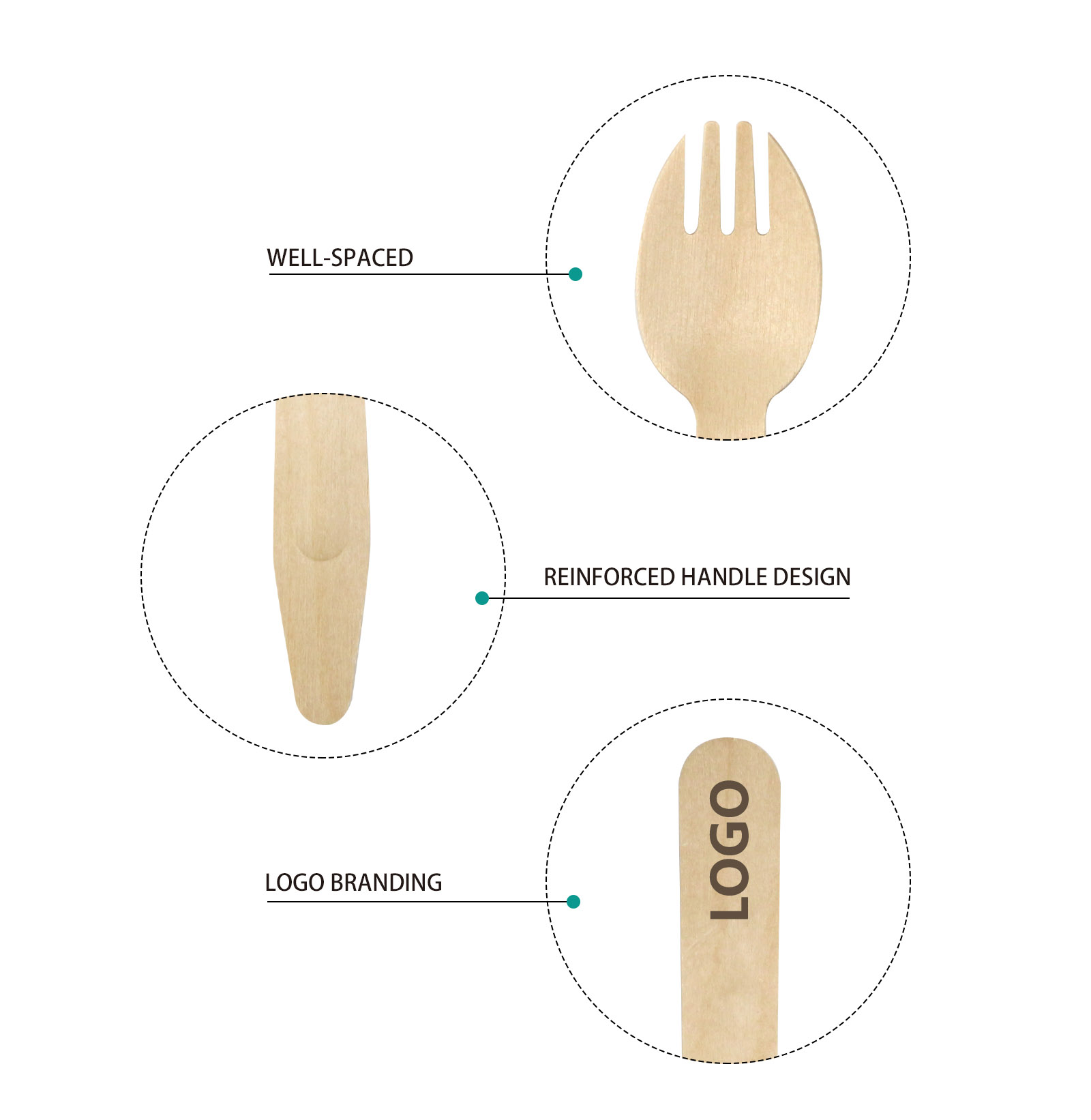
-
Wide Range of Applications
Restaurants, takeaways, and coffee shops
Catering, events, picnics, and outdoor dining
Ideal for wholesalers and foodservice supply chains
Stable production capacity with reliable lead times
Suitable for bulk and long-term orders
Rich export experience serving global markets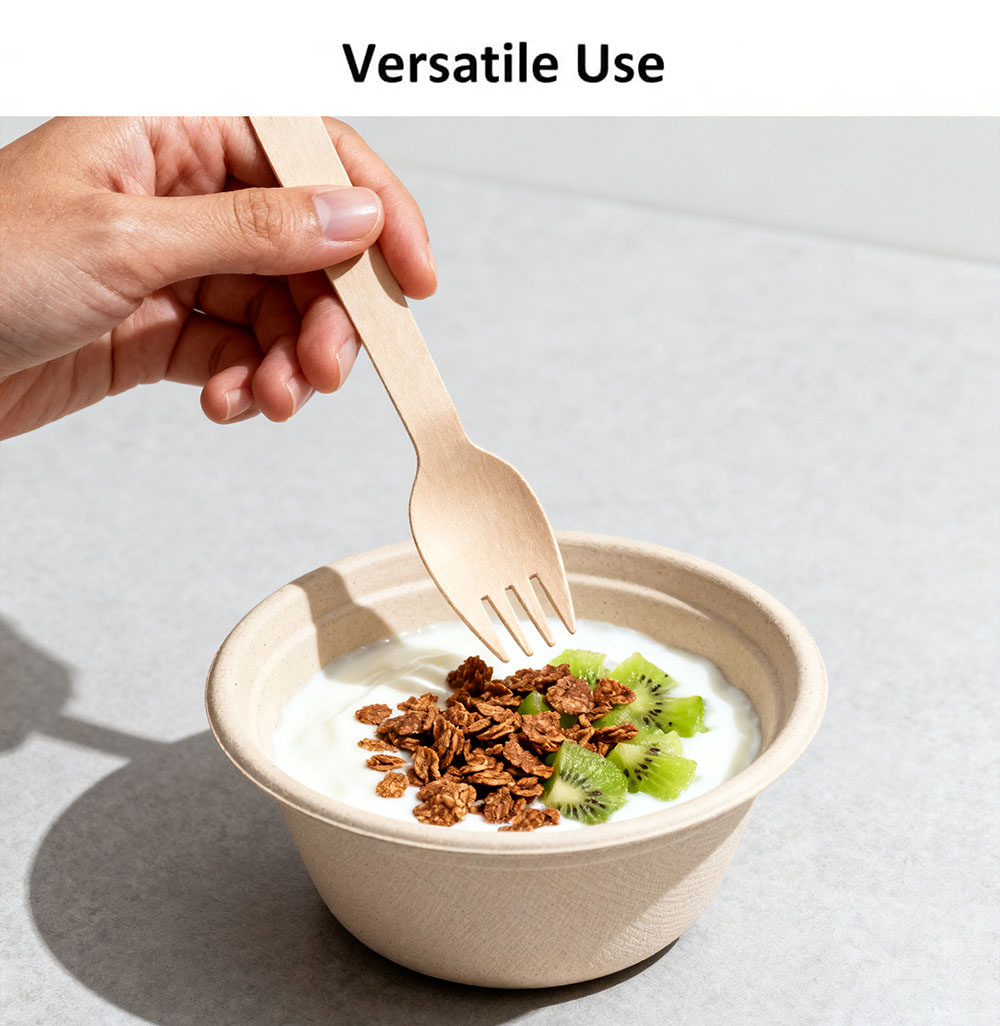
-
 Product Catalog
Ethan-wood-catalogue
Product Catalog
Ethan-wood-catalogue
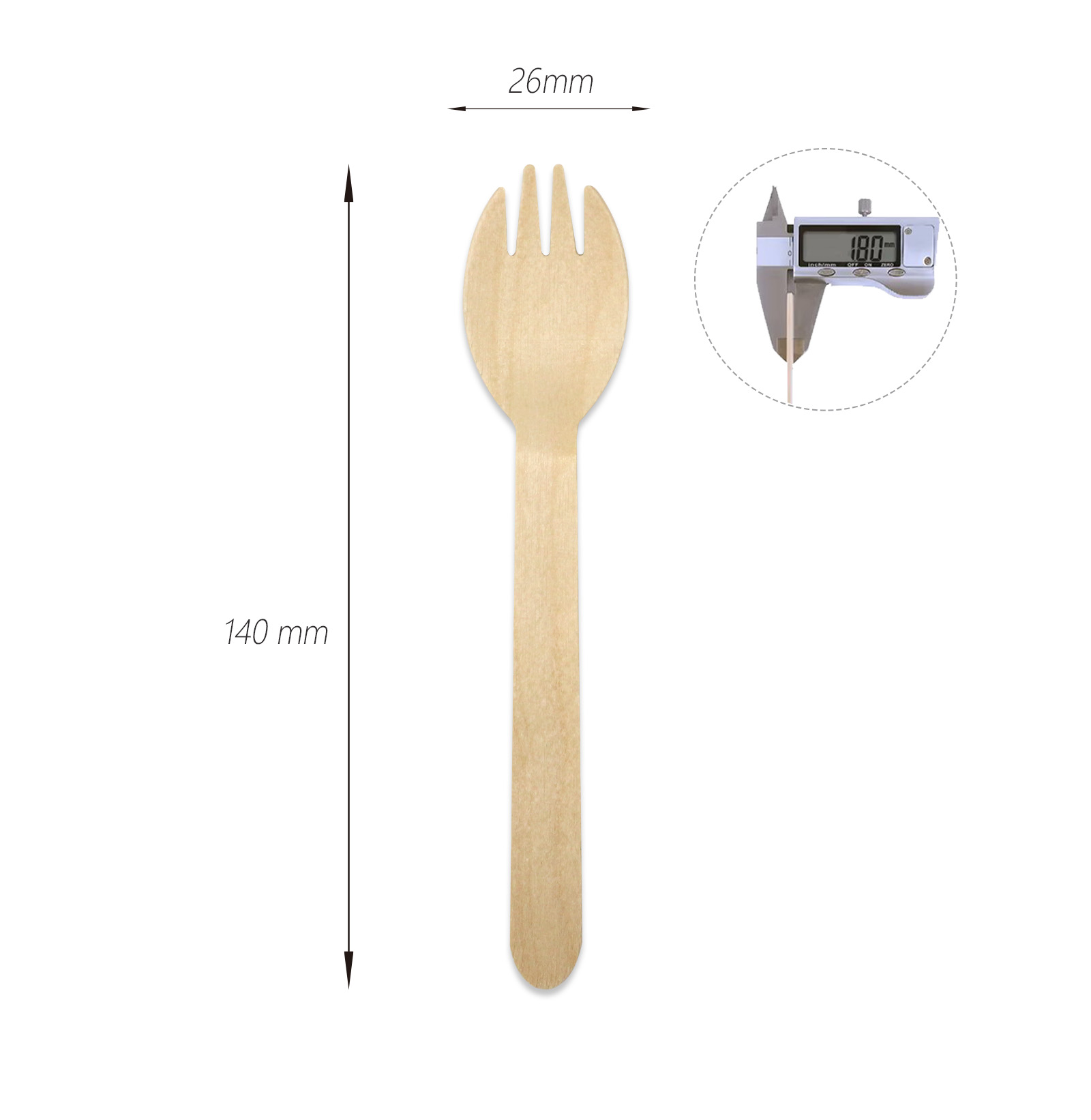
| Parameter Category | Specific Specifications |
| length | L140mm |
PRODUCTS
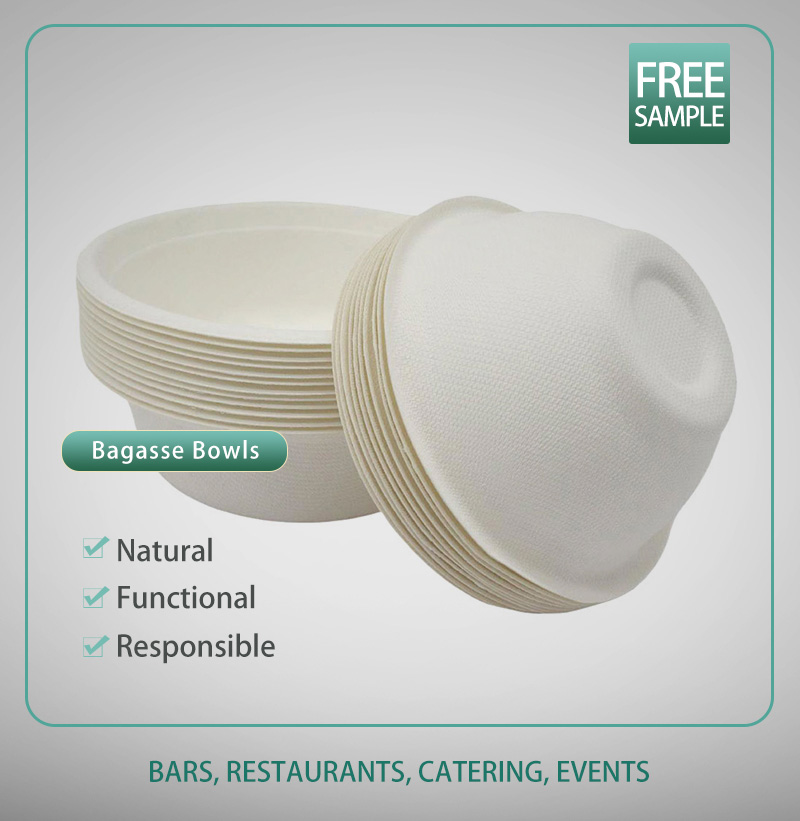
Bagasse Bowls
Restaurants, cafes, and catering services Takeout, fast food, and food delivery Salads, soups, rice, noodles, or desserts Outdoor events, picnics, and parties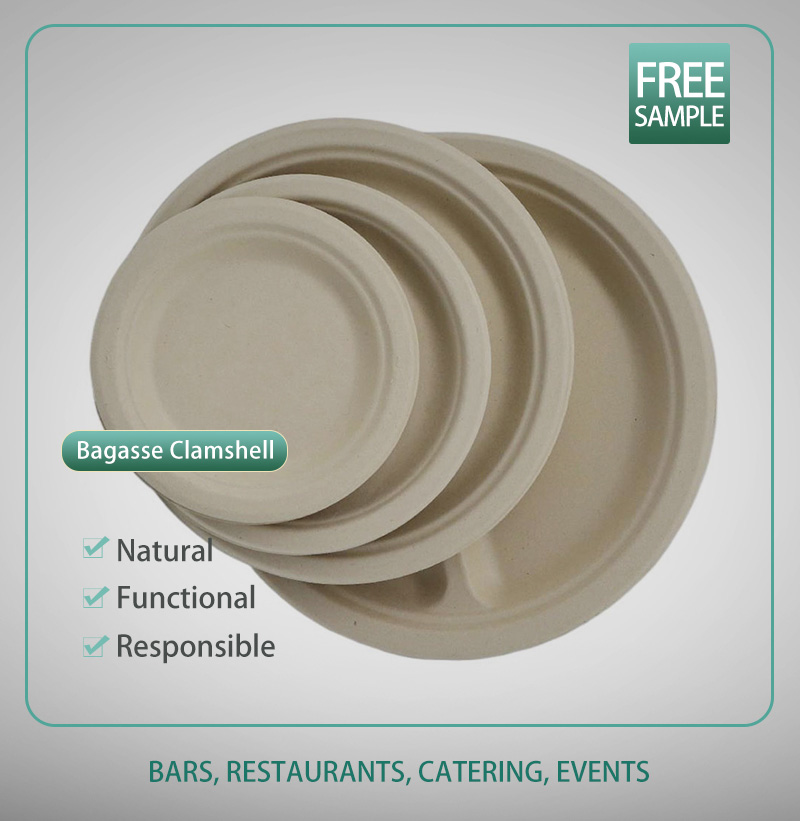
Bagasse Plates
Up to 120°C / 248°F Natural beige / light brown Restaurants, cafes, and catering services Takeout, fast food, and food delivery Salads, soups, rice, noodles, or desserts Outdoor events, picnics, and parties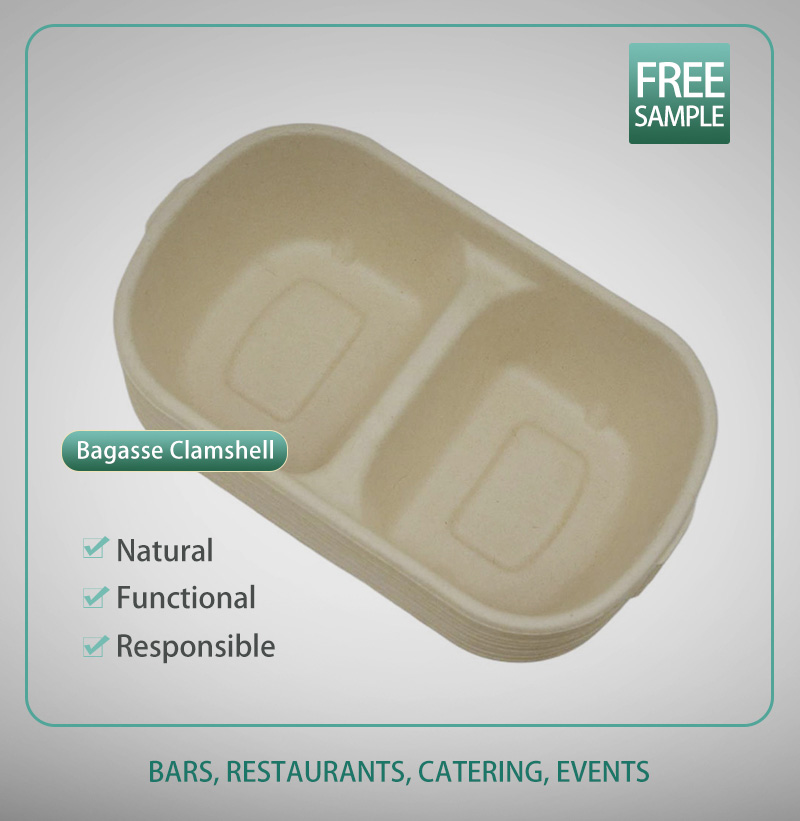
Bagasse Clamshell/separate
made from natural sugarcane fiber, offering a sustainable and eco-friendly alternative to plastic food containers. Fully biodegradable and compostable, these clamshells are perfect for takeout, delivery, catering, and outdoor events.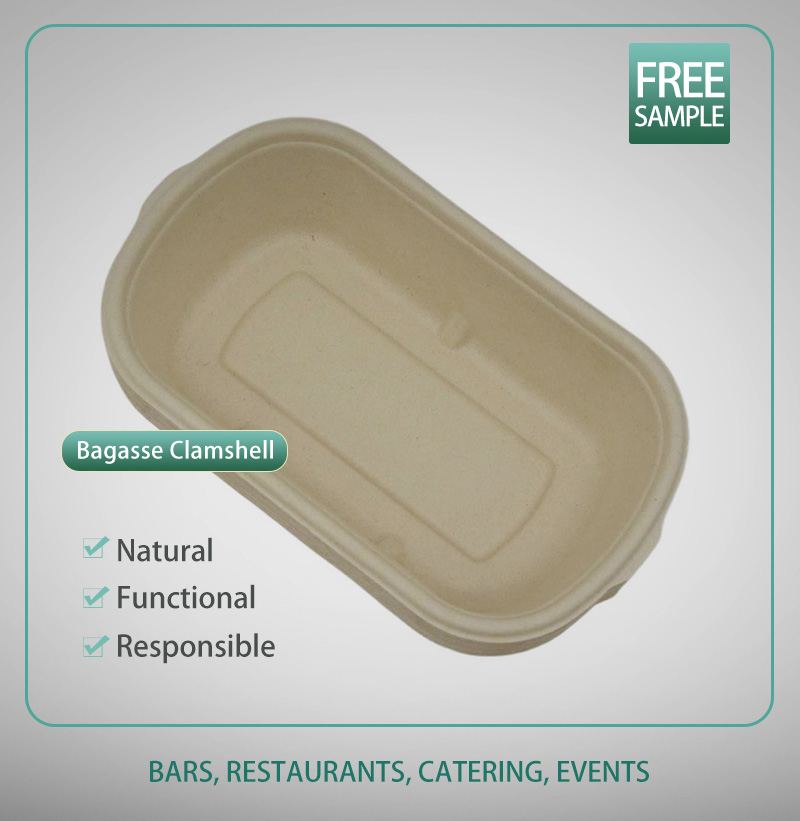
Bagasse Clamshell
made from natural sugarcane fiber, offering a sustainable and eco-friendly alternative to plastic food containers. Fully biodegradable and compostable, these clamshells are perfect for takeout, delivery, catering, and outdoor events.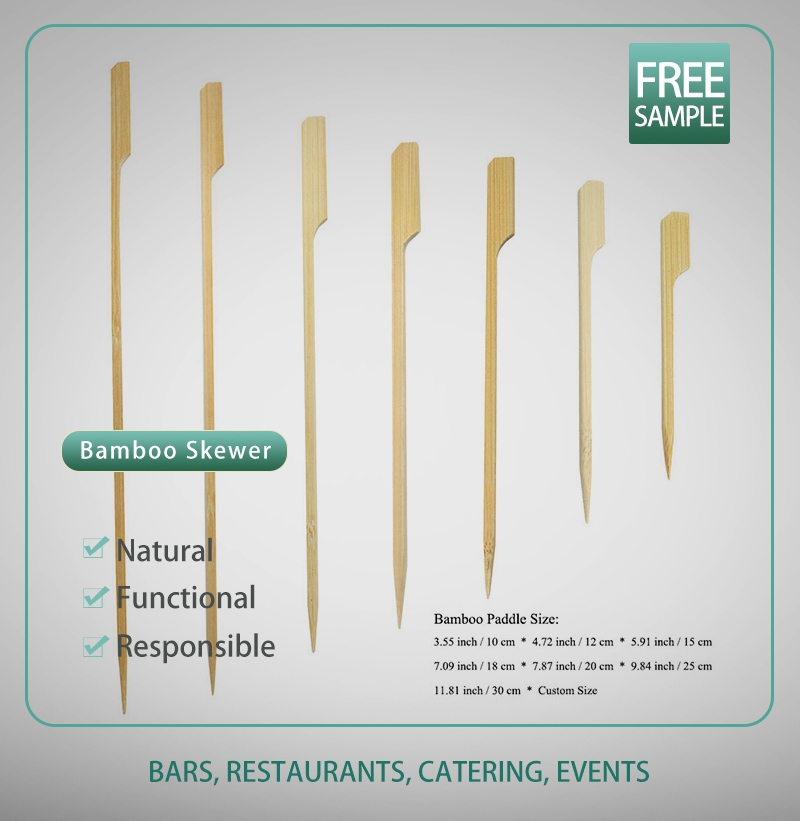
Teppo Skewer
Made from natural bamboo, strong, heat-resistant, and fully biodegradable. Designed for BBQ, yakitori, and teppanyaki grilling, with a smooth, splinter-free finish. Factory-direct supply of bamboo teppo skewers Multiple sizes available, custom packaging supported Stable quality for restaurants, caterers, and distributors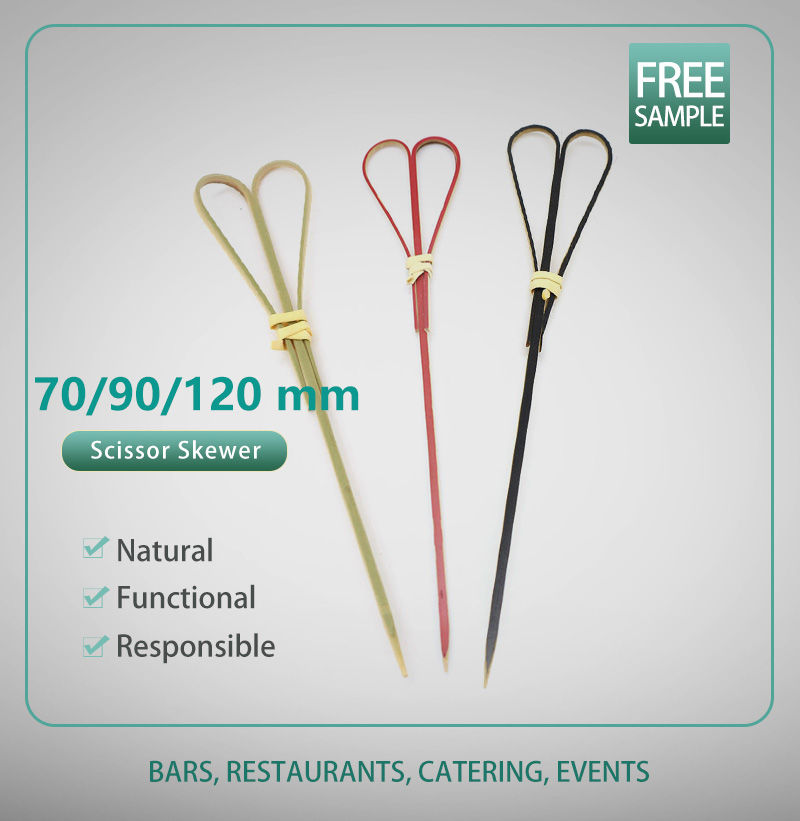
70/90/120mm Scissor Skewers
Scissor Skewers Made from natural bamboo, scissor skewers feature a distinctive scissor-shaped handle that offers both visual appeal and easy handling. A popular novelty skewer for bars, catering suppliers and event distributors—adding character to food and drink presentation while remaining practical and disposable.BLOG
**A Restaurant Transformation Guide: How Wooden Tableware Enhances Brand Value and Complies with Plastic Bans**
**A Restaurant Transformation Guide: How Wooden Tableware Enhances Brand Value and Complies with Plastic Bans** As the global plastic ban shifts from policy documents into daily restaurant operations, the foodservice industry is undergoing a fundamental transformation. Across Europe, North America, and the Asia-Pacific region, stricter regulations on single-use plastics are accelerating the transition toward sustainable alternatives. With its natural texture, biodegradability, and versatile design potential, wooden tableware has emerged not only as a compliant solution—but also as a powerful branding tool for overseas foodservice businesses. From Michelin-starred restaurants to large-scale fast-food chains, mastering the selection, compliance, and brand integration of wooden tableware has become a strategic advantage. This article combines global policy insights, regional preferences, and real-world case studies to provide international restaurant operators with a complete transition roadmap. I. Understanding the Rules: Global Plastic Ban Policies & Wooden Tableware Compliance Plastic-reduction regulations vary by region. Wooden tableware must meet material standards, certifications, and usage requirements to ensure smooth implementation. 1. Key Policy Highlights by Market EuropeThe EU Single-Use Plastics Directive has fully banned disposable plastic cutlery. Alternative materials must contain at least 50% bio-based content, and reusable solutions are strongly encouraged.Countries such as Germany and France further require FSC certification, ensuring wood comes from responsibly managed forests, and prohibit chlorine bleaching and harmful adhesives. North AmericaStates such as California and New York have enacted strict bans on plastic cutlery. Food-contact wooden tableware must comply with FDA standards, with close monitoring of formaldehyde migration (≤15 mg/kg) and heavy metal residues.Canada has introduced carbon footprint labeling, encouraging low-emission wooden products. Asia-PacificJapan and South Korea enforce rigorous hygiene standards, including microbial testing and odor evaluation, with mandatory biodegradation labeling.In Southeast Asia, while regulations are more flexible, FSC-certified wooden tableware is increasingly preferred in hotels and premium restaurants driven by eco-tourism trends. 2. Essential International Certifications To access global markets, compliance is non-negotiable: FSC Certification – the global baseline for sustainable forestry FDA (USA) / LFGB (EU) – core food-contact safety certifications Cradle to Cradle (C2C) – favored by premium dining brands for full lifecycle sustainability Manufacturers with comprehensive certification portfolios have successfully secured long-term partnerships with global brands and expanded exports to over 60 countries. II. Smart Selection: Matching Wooden Tableware to Business Models & Regional Preferences Wooden tableware is not a one-size-fits-all solution. Strategic selection enhances both usability and brand identity. 1. By Restaurant Type Fine Dining & Michelin-Star RestaurantsFocus on handcrafted aesthetics and storytelling. Hardwood options such as oak or walnut, combined with custom designs, reinforce the “farm-to-table” philosophy.Several Michelin-starred restaurants collaborate with designers to create irregular textures and organic forms, making tableware part of the dining narrative. Fast Food & Chain RestaurantsBamboo and fast-growing softwood offer the best balance between cost and durability. Bamboo grows up to five times faster than traditional wood, delivering low-carbon advantages.Standardized wooden cutlery with heat-stamped logos allows efficient branding at scale. Outdoor & Camping DiningLightweight, oil-treated wooden tableware resists moisture and cracking. Eco-friendly paper packaging further strengthens sustainability messaging. Takeaway & DeliveryWooden containers with bio-based coatings improve oil and water resistance while clearly labeled certifications build consumer trust. 2. Regional Aesthetic Preferences Europe: Minimalist, handcrafted textures North America: Functional, durable, multi-purpose designs Japan & Korea: Light-colored wood with refined polishing and clean lines III. Cost & Supply Chain Strategy: Turning Sustainability into Profit While wooden tableware has a higher unit cost than plastic, smart supply chain management creates long-term value. 1. Cost Optimization Tactics Long-term bulk contracts to stabilize pricing Simplified customization, focusing on logo embossing Cross-border sourcing + overseas warehouses to reduce lead times Byproduct reuse, converting production offcuts into smaller items or accessories 2. Converting Sustainability into Brand Value International consumers are willing to pay for eco-friendly dining: Premium pricing: Eco-upgraded meal sets command USD 1–3 higher prices with 20% higher repeat purchase rates Brand storytelling: Sharing sustainability journeys on Instagram and LinkedIn boosts engagement Policy incentives: Tax benefits and environmental subsidies in parts of Europe further offset costs IV. Global Case Studies: Wooden Tableware Driving Growth Los Angeles Hotel Group: Bamboo buffet trays reduced annual carbon emissions by 8 tons and cut waste by 50%, becoming a sustainability benchmark Global Restaurant Chains: Standardized production + OEM branding enabled scalable global deployment Michelin Restaurants: Designer wooden tableware elevated brand identity, achieving up to 3× price premiums V. Conclusion: Sustainability Is a Brand Strategy, Not a Cost Plastic bans represent more than compliance challenges—they are opportunities for brand evolution. Wooden tableware combines regulatory alignment with emotional storytelling, allowing restaurants to stand out in a competitive market. Success lies in understanding regulations, choosing the right products, and translating sustainability into brand value. When wooden tableware becomes a carrier of brand philosophy, every meal becomes a meaningful connection between business, consumer, and planet.
From Fast-Growing Forests to the Dining Table: The Journey Behind Wooden Tableware
When we serve breakfast on a warm wooden plate or enjoy soup with a smooth wooden spoon, we rarely stop to consider the long journey behind these everyday items. From a young tree in a fast-growing forest to a safe and eco-friendly product on the dining table, wooden tableware goes through more than a dozen production steps and multiple layers of quality control. Today, let’s trace the production chain and uncover how wooden tableware is made.

From RMB 3.8 Billion to RMB 10.5 Billion
What Entrepreneurial Opportunities Are Hidden in the Boom of Disposable Wooden Tableware? As plastic bans move from policy documents into everyday practice, and eco-conscious consumption becomes part of food delivery, dining, and outdoor lifestyles, disposable wooden tableware is experiencing explosive growth.

Addressing the EU Plastic Ban,How Solves the Problem?
Addressing the EU Plastic Ban How Wooden Disposable Cutlery Solves the Problem With the implementation of the EU Single-Use Plastics Directive (SUP Directive), many plastic disposable items such as cutlery, stirrers, and tableware are restricted or banned across European markets. As a result, restaurants, retailers, and brands are actively seeking compliant, sustainable alternatives. Wooden disposable cutlery has emerged as one of the most effective and practical solutions. 1. Fully Compliant with EU Plastic Ban Regulations Wooden disposable cutlery is made from natural wood or bamboo and contains no plastic or plastic coatings. It is not included in the EU banned plastic product list, making it fully compliant with current EU regulations and safe for import, distribution, and use across Europe. 2. Naturally Biodegradable and Environmentally Responsible Sourced from sustainably managed forests or fast-growing bamboo, wooden cutlery offers strong environmental benefits 100% biodegradable and compostable Breaks down naturally without creating microplastics Significantly reduces plastic waste and environmental pollution These advantages align perfectly with EU sustainability goals and corporate ESG commitments. 3. Strong Performance as a Plastic Alternative Modern manufacturing processes ensure that wooden disposable cutlery is Strong and durable, resistant to bending or breaking Smooth and splinter-free for safe, comfortable use Suitable for both hot and cold foods In terms of functionality and user experience, wooden cutlery can fully replace traditional plastic utensils. 4. Enhances Brand Image and Consumer Trust European consumers increasingly prefer environmentally responsible products. Using wooden disposable cutlery Clearly communicates a brand’s commitment to sustainability Improves brand perception and customer satisfaction Meets retailer and foodservice requirements for eco-friendly packaging Additionally, wooden cutlery supports custom logo hot-stamping and branded packaging, turning compliance into a powerful branding opportunity. 5. Factory-Direct Supply with Scalable Capacity With mature production facilities, wooden cutlery can be supplied at scale Multiple sizes and styles available (forks, spoons, knives, stirrers) Flexible packaging options bulk, individual wrap, or retail-ready packs Stable production capacity to support long-term European demand This ensures wooden cutlery is not only environmentally sound but also commercially viable. Conclusion As EU plastic restrictions continue to expand, wooden disposable cutlery provides a compliant, sustainable, and practical alternative to plastic. It helps businesses meet regulatory requirements while enhancing brand value and supporting long-term environmental goals.
SERVICE
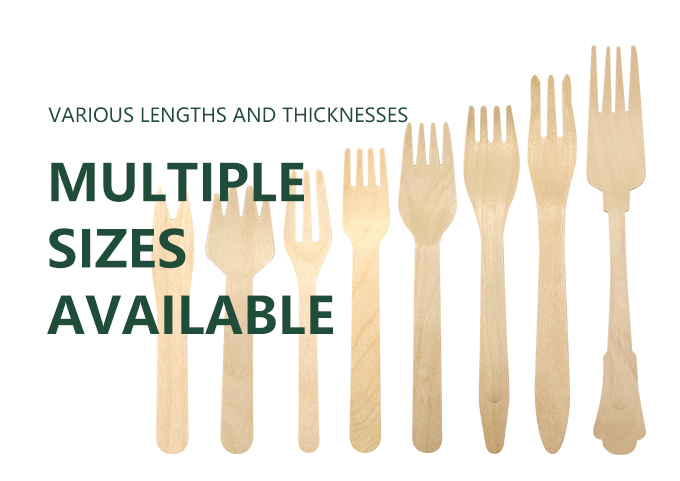
Multiple Sizes Available
We offer a variety of sizes to suit different dining occasions: Spoons & Forks: Small, medium, and large for desserts, meals, or buffets Standard and extended sizes for all types of food Custom size options available to meet your unique requirements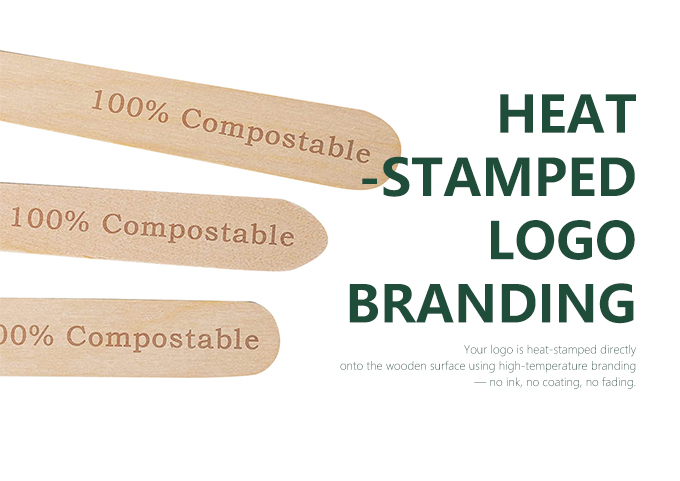
Personalize Your Brand
Make your brand stand out with our wooden disposable cutlery featuring custom logo printing. Using eco-friendly hot-stamping technology, your logo, brand name, or artwork can be elegantly imprinted directly on spoons, forks, knives, or packaging. Perfect for restaurants, cafes, catering services, events, or promotional giveaways.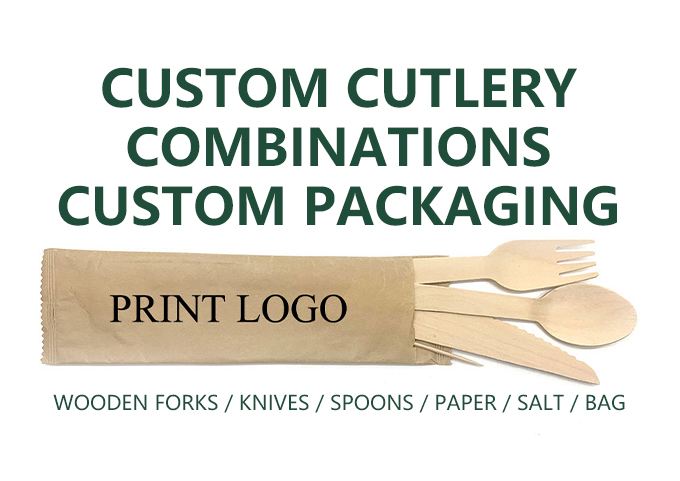
Custom Packaging Options
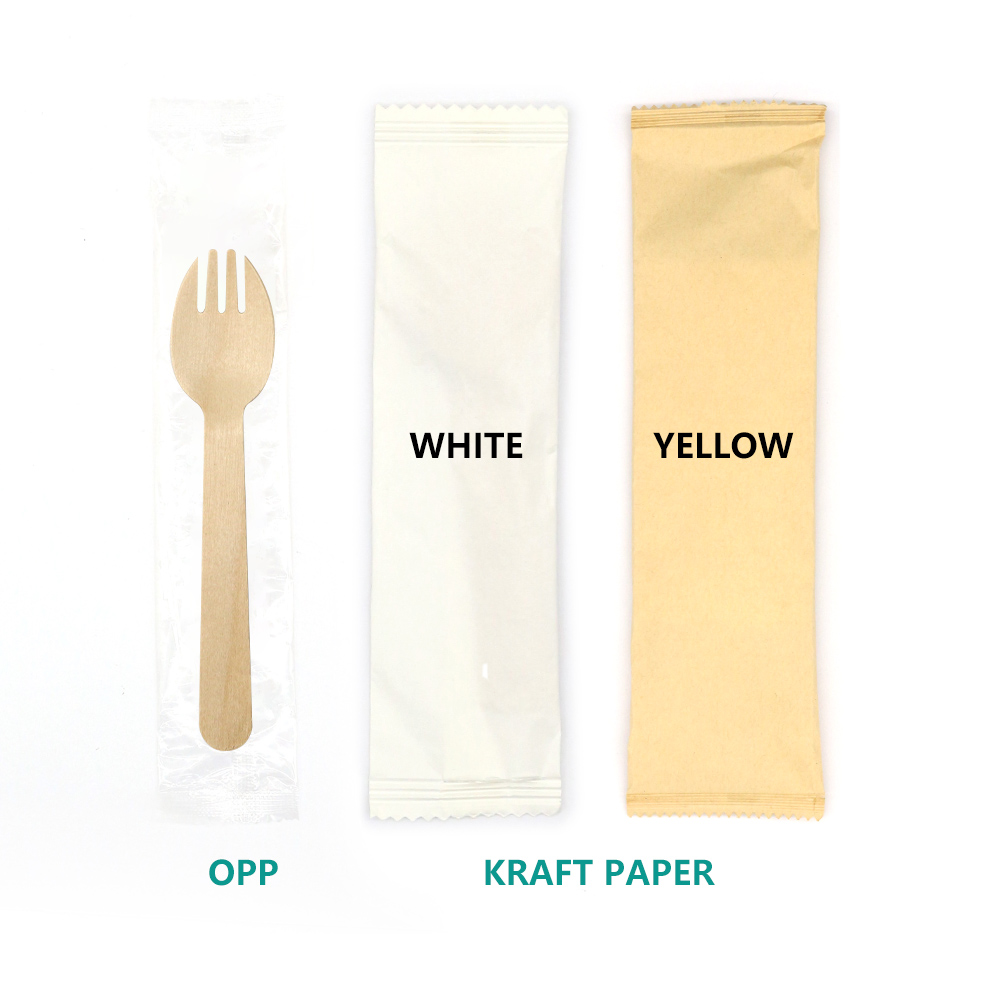
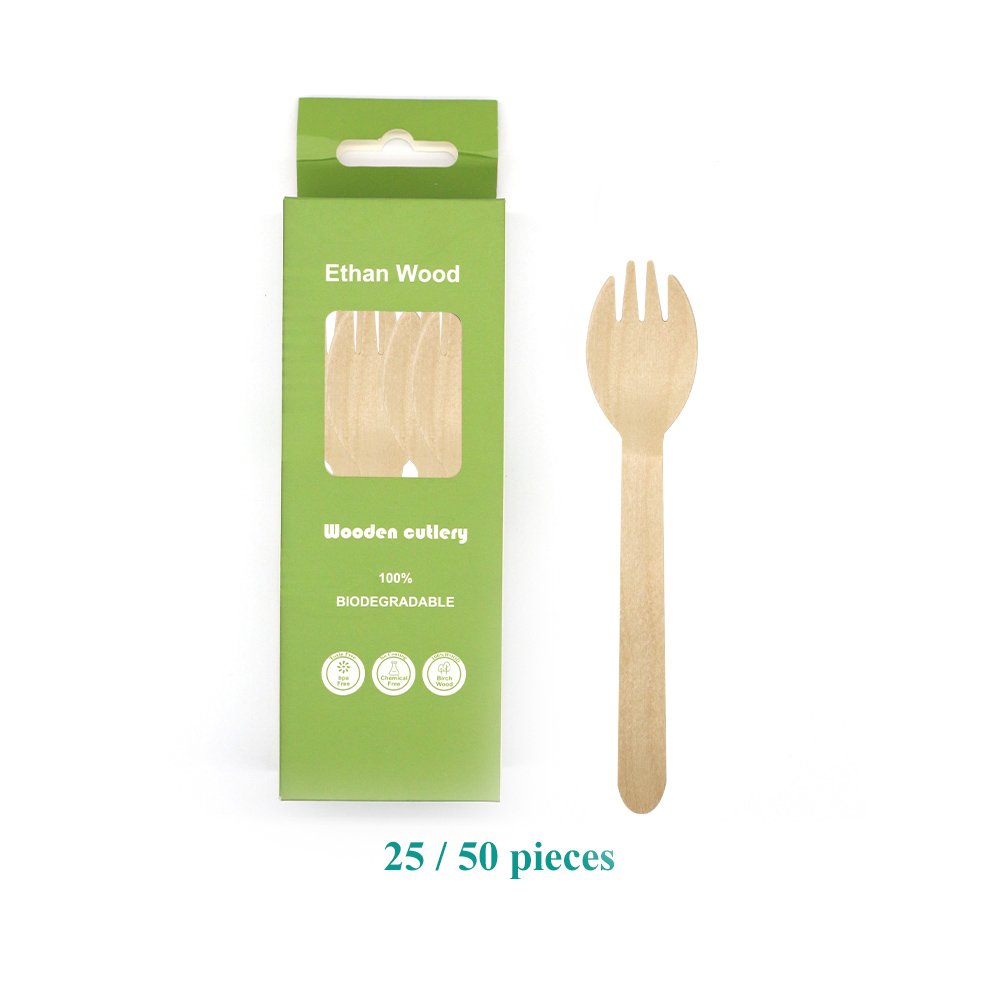
We offer custom packaging options to meet different market and branding needs. Available in bulk, individual wrap, or retail-ready packaging. Packaging styles and printed designs can be fully customized.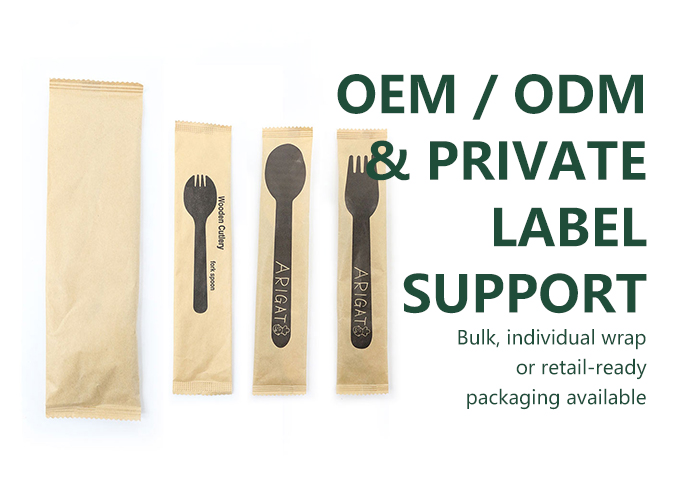
OEM / ODM & Private Label Support
We support custom packaging, including packaging style selection and logo printing, to meet different branding and market needs. Retail-ready and bulk packaging options are available.

LOVE TO HEAR FROM YOU GET IN TOUCH!
Please fill out the form below and we will get back to you as soon as possible.