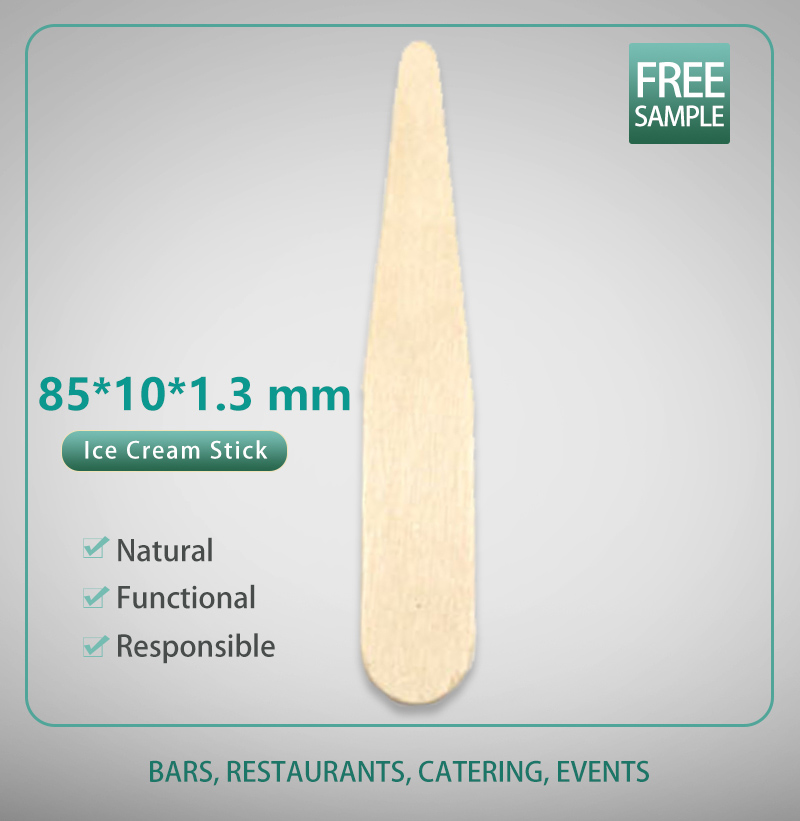
Made from natural wood, sourced from responsibly managed forests
Plastic-free and renewable
Fully biodegradable under natural conditions
Meets international food contact safety standards
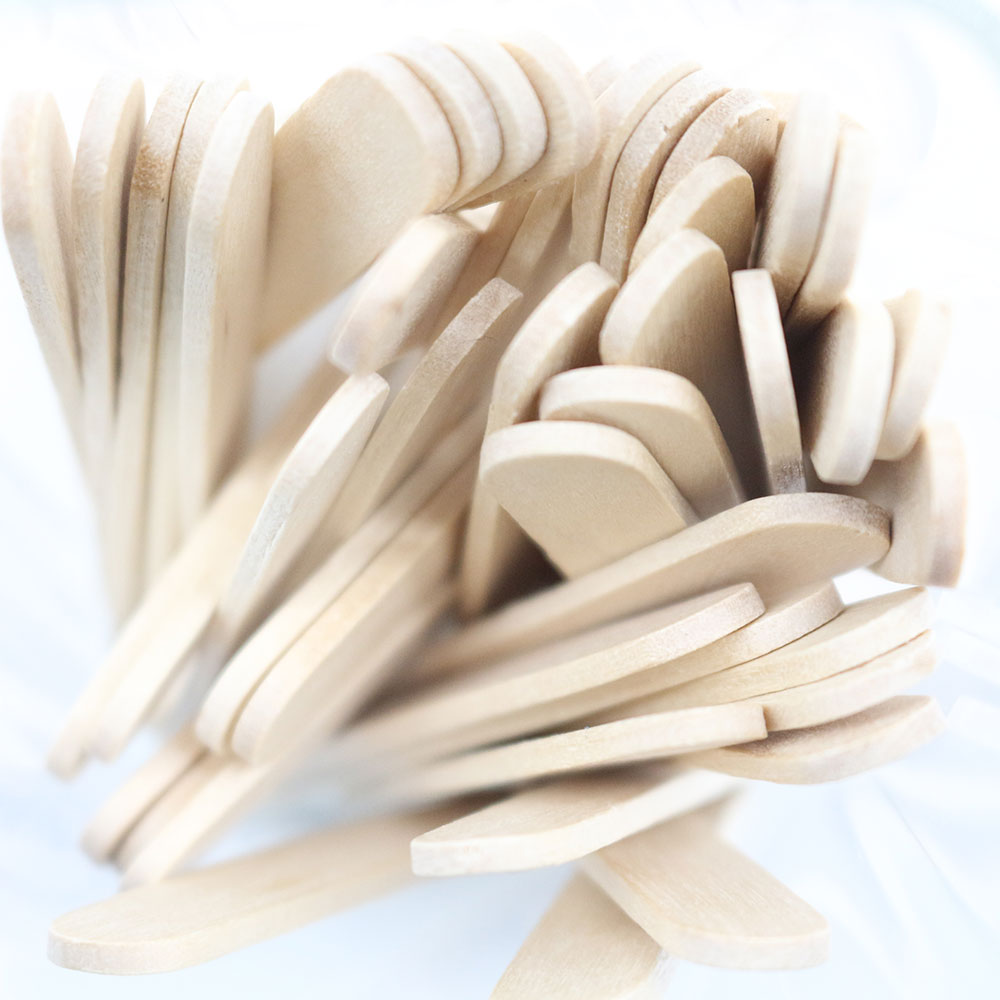
Smooth and sturdy structure prevents breaking
Reliable performance for frozen desserts
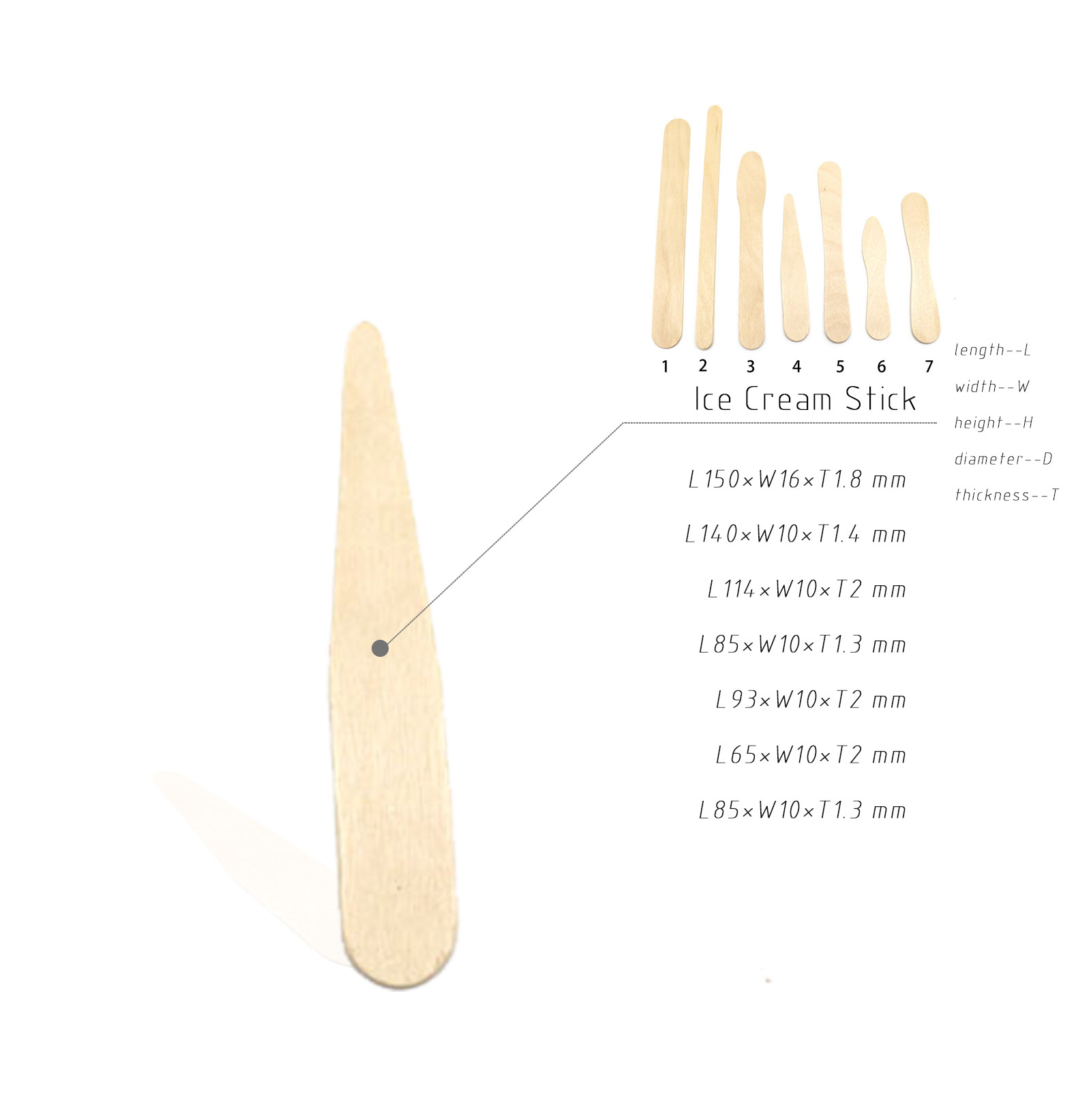
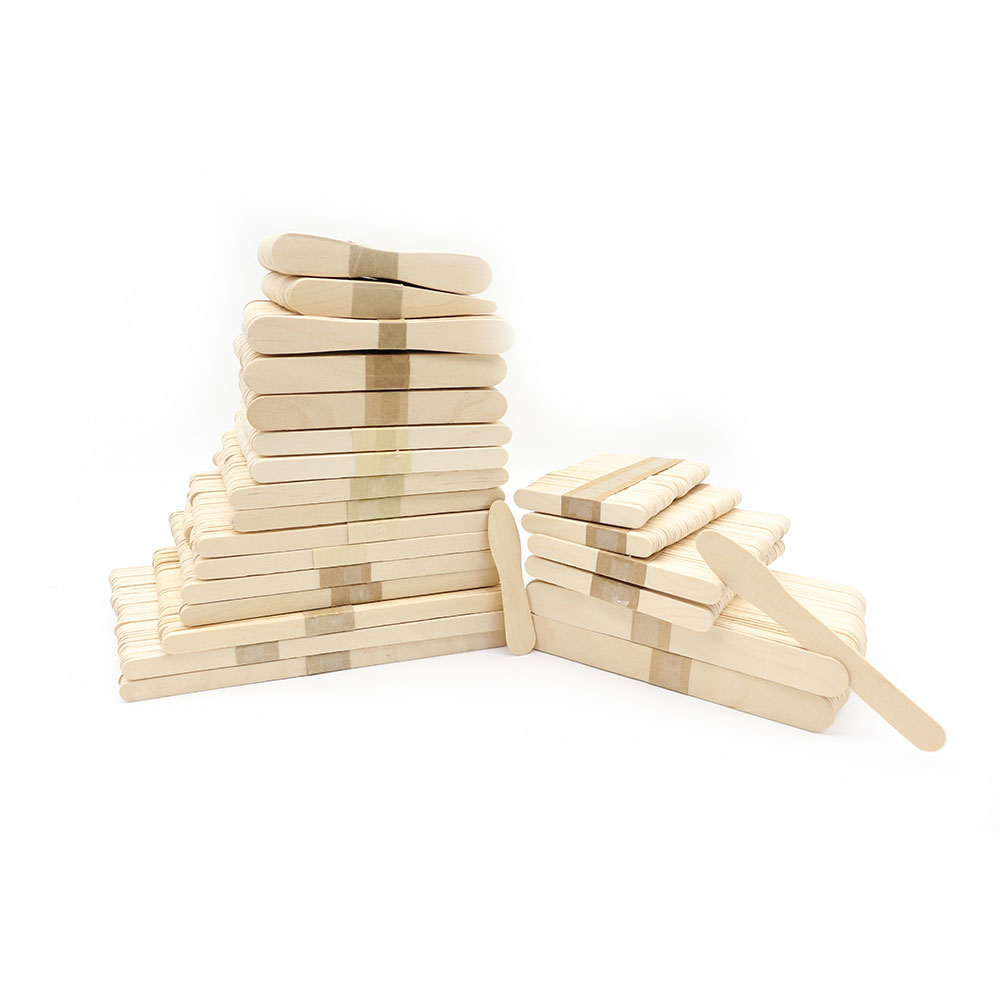
Available in various lengths, widths, and thicknesses
Custom sizes and shapes available upon request
Wide Range of Applications
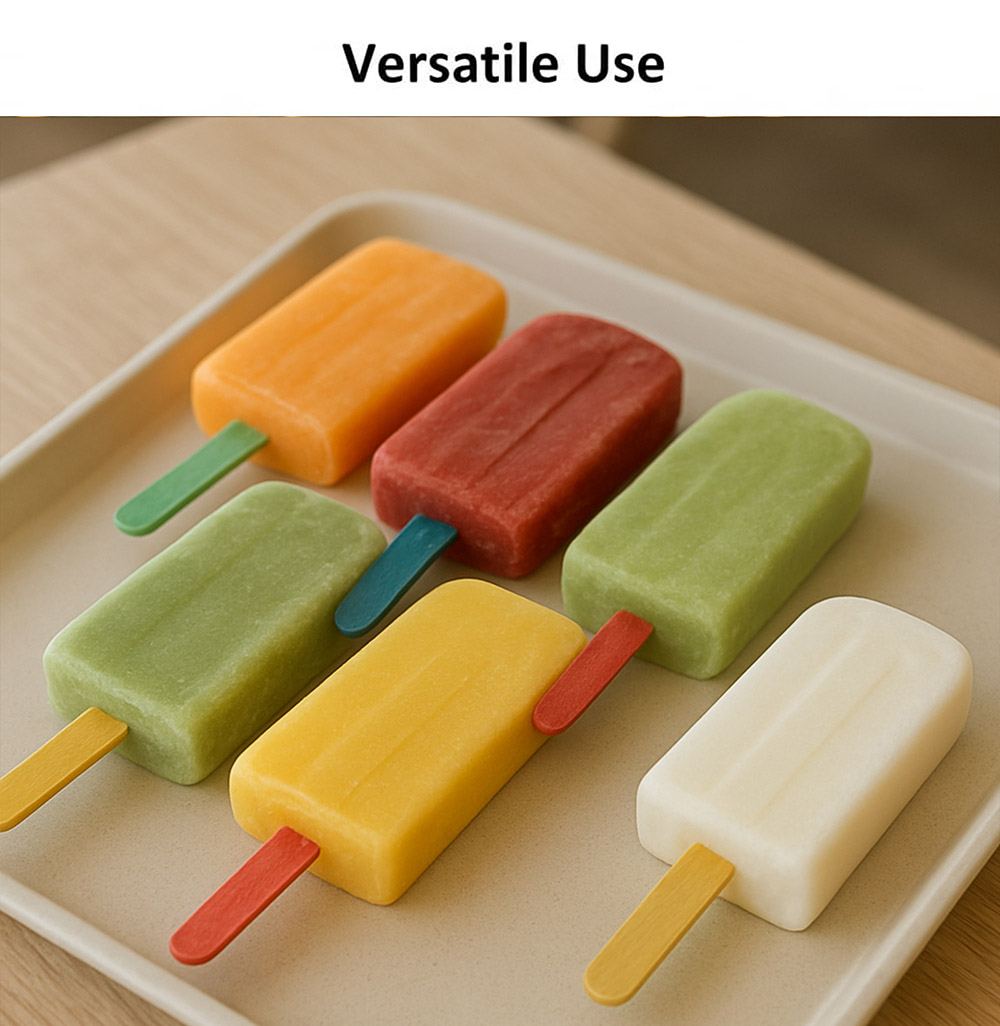
Ideal for popsicles, ice cream bars, and frozen treats
Logo printing or laser engraving available
Custom packaging options supported
Large-scale production capacity ensures consistent supply
Experienced in global export markets
Better Sticks for Better Ice Cream.
Shenyang Ethan Wood Products Co., Ltd. (“we,” “us,” or “our”) respects your privacy and is committed to protecting the personal information you provide through our website, enquiry forms, email, phone, WhatsApp, and other business communication channels.
This Privacy Policy explains how we collect, use, store, and share your information when you visit our website or contact us regarding wholesale, OEM, private label, and related business enquiries.
1. Information We Collect
We may collect the following information that you provide to us:
Full name
Company name
Work email address
Phone number or WhatsApp number
Website or business profile
Country or region
Product interests and order requirements
Other business-related details you choose to provide
We may also automatically collect certain technical information, including:
IP address
Browser and device information
Visited pages and usage data
Referring website or traffic source
Cookies, pixels, and similar technologies
2. How We Use Your Information
To respond to your enquiries
To provide quotations, product information, and sample support
To communicate about wholesale, OEM, and private label opportunities
To understand your product interests and business needs
To improve our website, services, and customer experience
To analyze marketing performance and lead quality
To comply with legal obligations
3. How We Share Your Information
We do not sell your personal information.
We may share your information only when necessary with:
Our internal sales and customer service team
Trusted service providers who help us operate our website or manage communications
Logistics, shipping, sourcing, or business support partners when required to serve your enquiry
Legal or regulatory authorities when required by law
4. Cookies and Tracking Technologies
Our website may use cookies, pixels, and similar technologies to improve website performance, understand visitor behavior, and support advertising and remarketing activities.
You can control cookies through your browser settings. Disabling cookies may affect certain website functions.
5. Data Retention
We retain personal information only for as long as necessary to fulfill the purposes described in this Privacy Policy, including responding to enquiries, maintaining business records, and complying with legal obligations.
6. Data Security
We take reasonable administrative, technical, and organizational measures to protect your information from unauthorized access, loss, misuse, or disclosure. However, no internet transmission or storage method is completely secure.
7. International Data Transfers
As an international business, we may process and store your information in countries other than your own. By submitting your information, you understand that your data may be transferred and processed internationally as necessary for business communication and service delivery.
8. Your Rights
Depending on your location, you may have the right to:
Request access to your personal information
Request correction of inaccurate information
Request deletion of your information
Object to certain processing activities
Withdraw consent where applicable
9. Third-Party Links
Our website may contain links to third-party websites. We are not responsible for the privacy practices or content of those external websites.
10. Updates to This Privacy Policy
We may update this Privacy Policy from time to time. Any updates will be posted on this page with the revised effective date.
Restaurants, cafes, and catering services
Takeout, fast food, and food delivery
Salads, soups, rice, noodles, or desserts
Outdoor events, picnics, and parties
Up to 120°C / 248°F
Natural beige / light brown
Restaurants, cafes, and catering services
Takeout, fast food, and food delivery
Salads, soups, rice, noodles, or desserts
Outdoor events, picnics, and parties
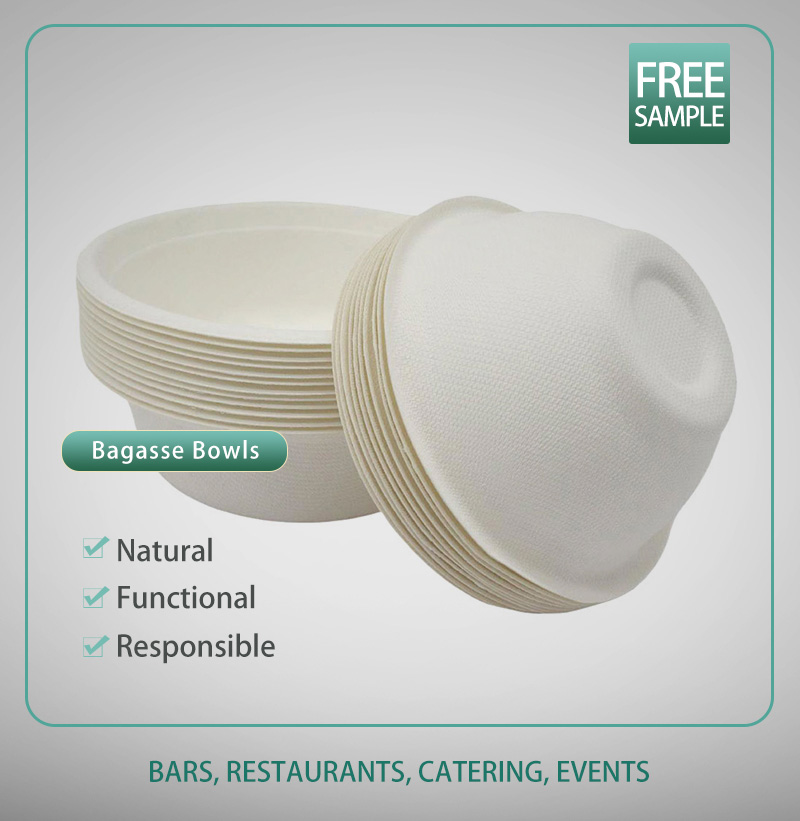
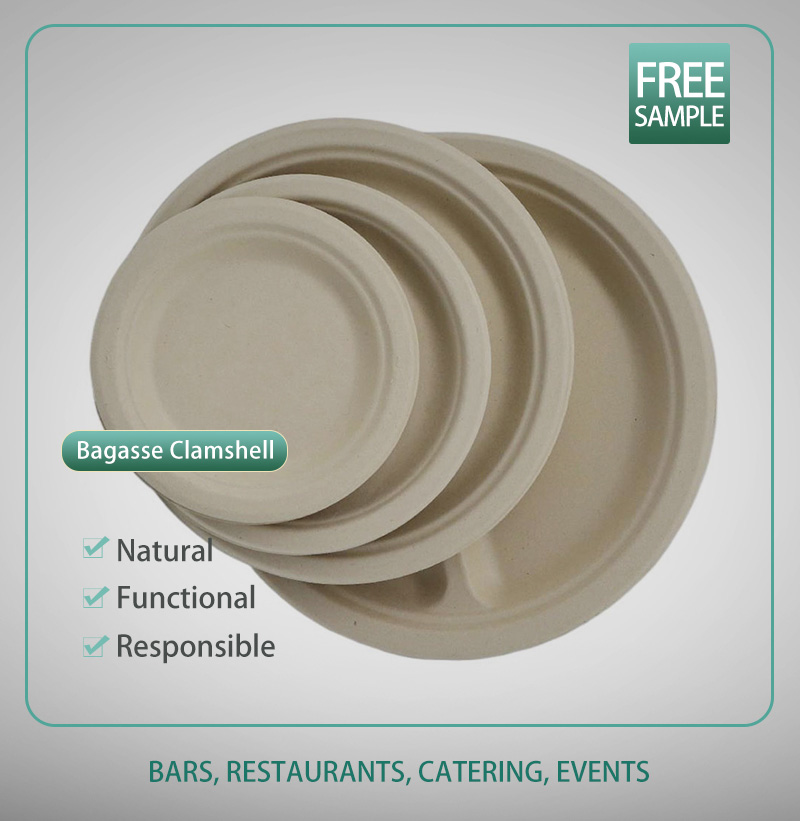
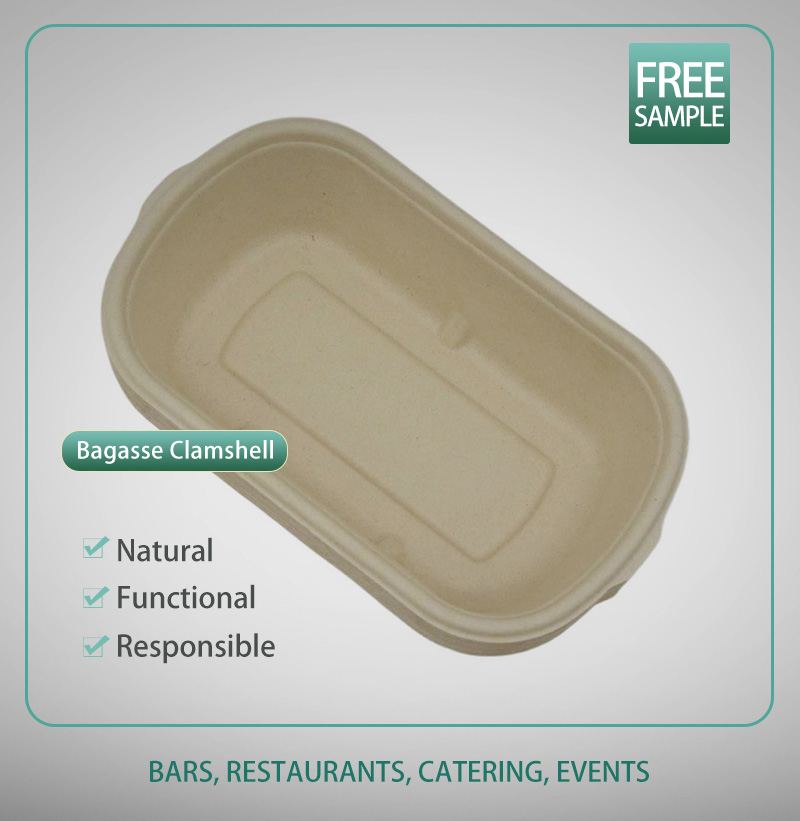
made from natural sugarcane fiber, offering a sustainable and eco-friendly alternative to plastic food containers.
Fully biodegradable and compostable, these clamshells are perfect for takeout, delivery, catering, and outdoor events.
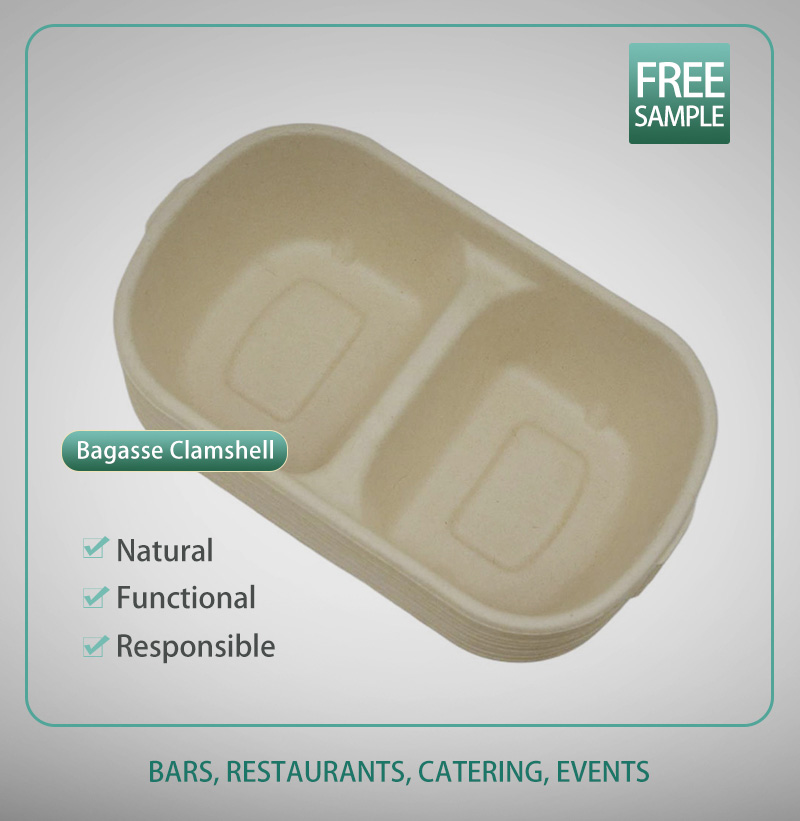
made from natural sugarcane fiber, offering a sustainable and eco-friendly alternative to plastic food containers.
Fully biodegradable and compostable, these clamshells are perfect for takeout, delivery, catering, and outdoor events.
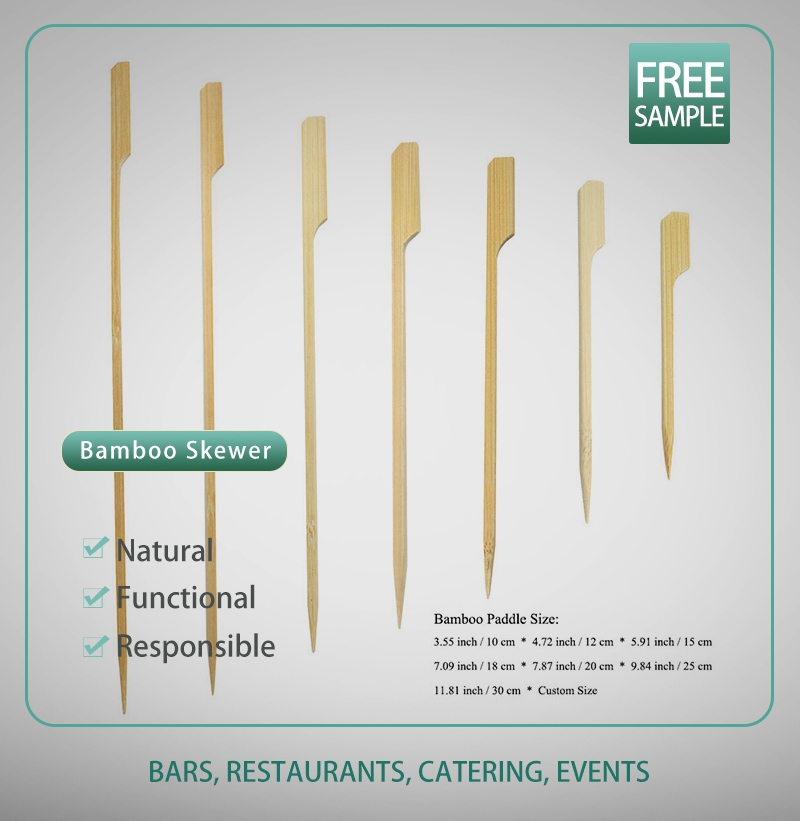
Made from natural bamboo, strong, heat-resistant, and fully biodegradable.
Designed for BBQ, yakitori, and teppanyaki grilling, with a smooth, splinter-free finish.
Factory-direct supply of bamboo teppo skewers
Multiple sizes available, custom packaging supported
Stable quality for restaurants, caterers, and distributors
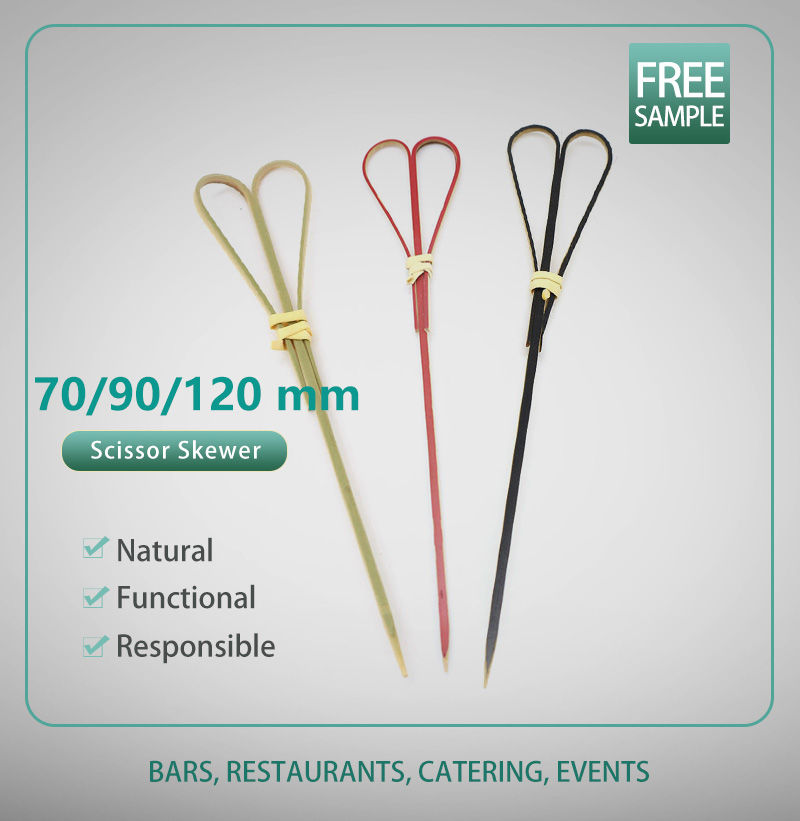
Scissor Skewers
Made from natural bamboo, scissor skewers feature a distinctive scissor-shaped handle that offers both visual appeal and easy handling.
A popular novelty skewer for bars, catering suppliers and event distributors—adding character to food and drink presentation while remaining practical and disposable.
In the wave of the implementation of the EU SUP directive, many companies only consider wooden disposable tableware as a "compliant alternative", but ignore the huge commercial value behind it. In fact, high-quality disposable wooden tableware can not only help companies avoid compliance risks and fulfill environmental responsibilities, but also become a "weapon" for companies to enhance brand competitiveness and expand market space.
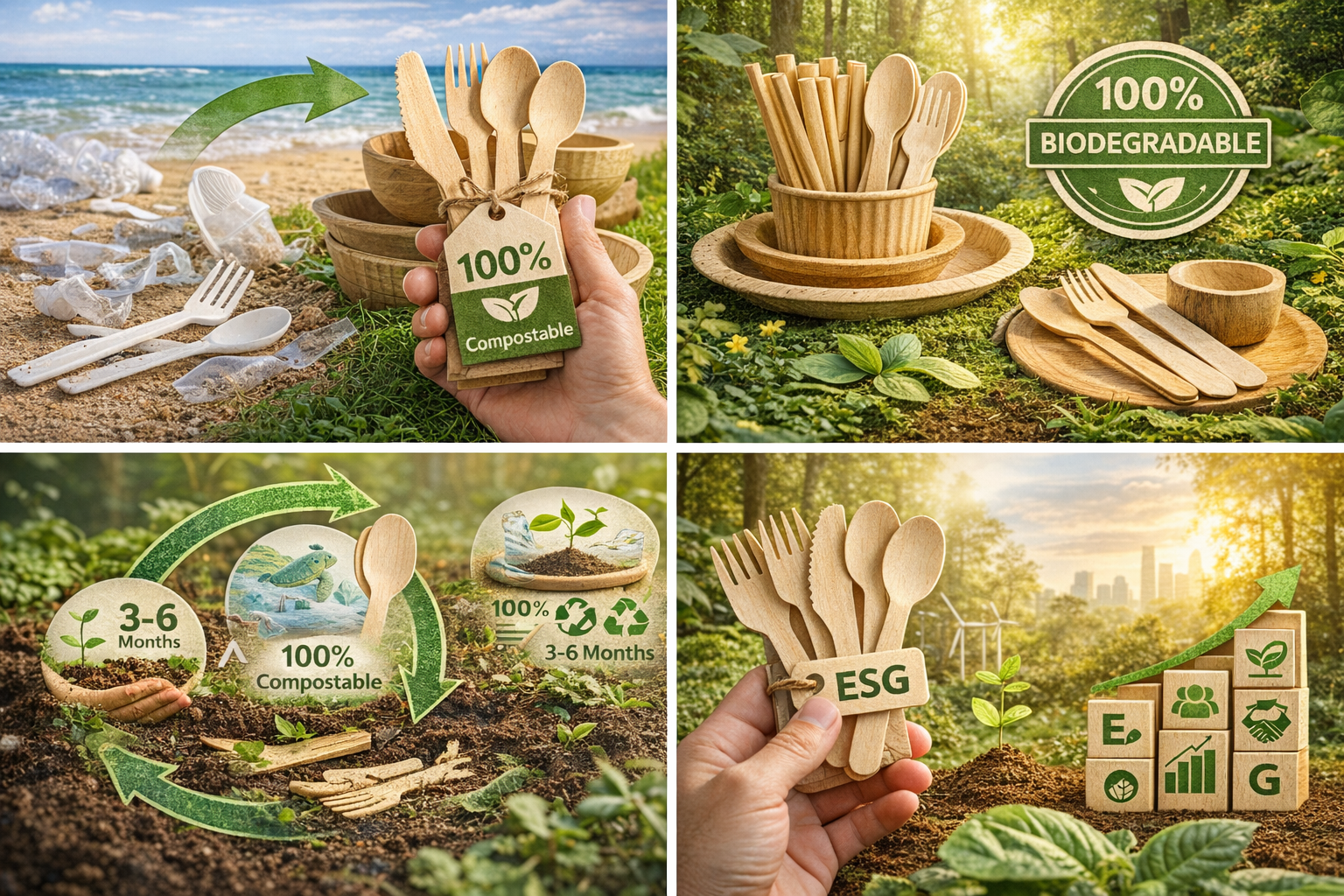
The core intention of the EU's promotion of the SUP Directive is to reduce plastic pollution and protect the ecological environment, which is highly in line with global sustainable development trends and corporate ESG (environmental, social, and governance) commitments. As plastic tableware gradually exits the European market, the rise of disposable wooden tableware is not only a compliant choice, but also an important path for companies to practice environmental responsibility and improve ESG performance.
For European catering practitioners and retailers, the most concerned topic in the past two years is the comprehensive implementation of the EU Single Use Plastic Directive (SUP Directive). Since the official implementation of this directive, a large number of disposable plastic products, including tableware and mixers, have been restricted or even completely banned in the European market. Non compliant companies not only face product recalls, but may also be fined up to 4% of their annual turnover, putting immense pressure on compliance.
In such a regulatory environment, finding alternative products that combine compliance and sustainability has become the top priority for all relevant enterprises. Wooden disposable tableware, with its natural properties and compliance advantages, quickly stood out and became a “safe pass” for many enterprises to avoid risks and operate smoothly.
Many companies are concerned that alternative products may face compliance issues, but disposable wooden tableware addresses this concern from the root. It is made from natural wood or bamboo as the core material, without adding any plastic components or using plastic coatings throughout the process. It is not included in the category of plastic products prohibited by the European Union and perfectly complies with the current relevant regulations of the EU, including the requirements of the latest EU Directive 2023/814 on labeling and compliance statements.
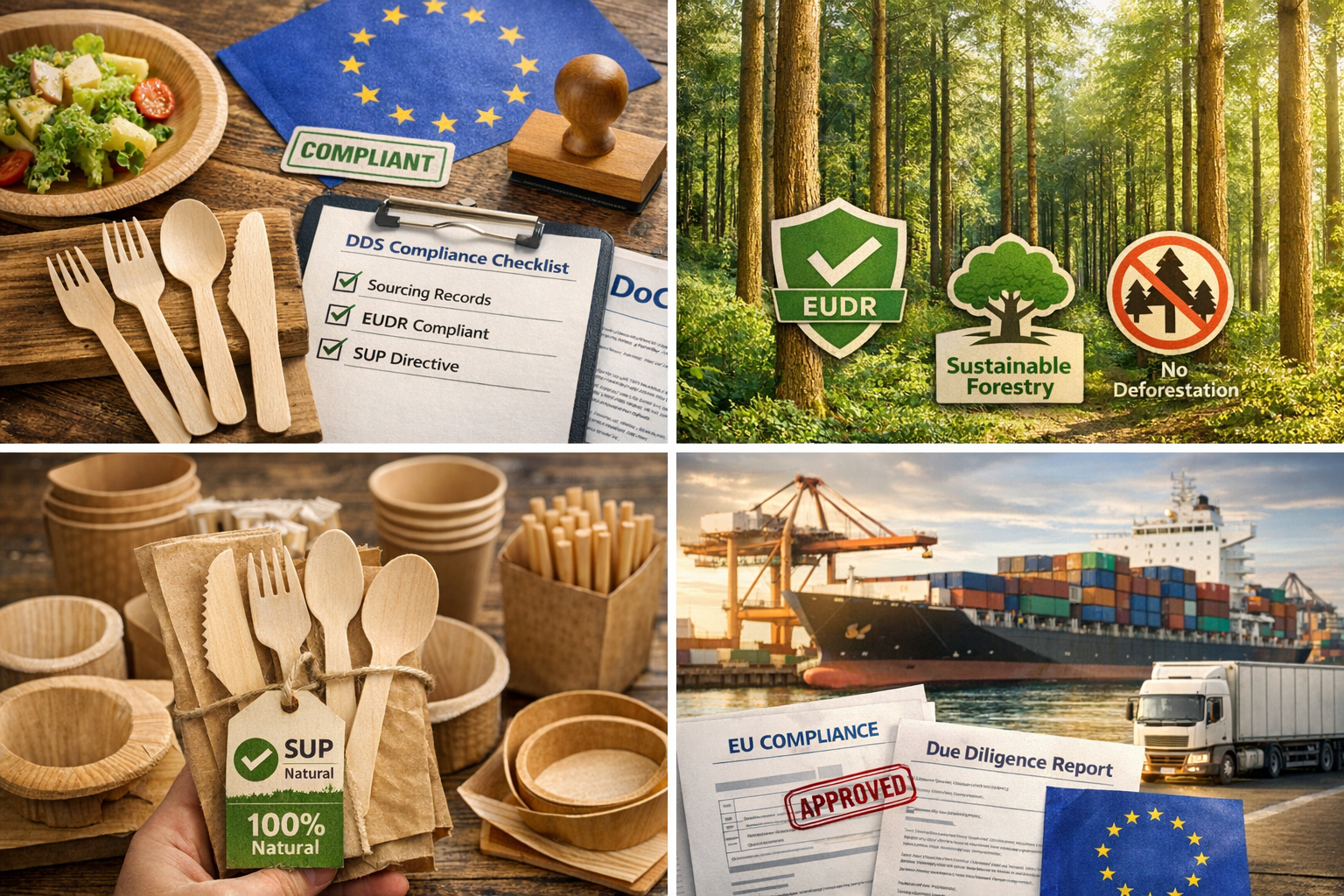
More noteworthy is that with the upcoming full implementation of the EU’s Zero Deforestation Regulation (EUDR), the supply chain compliance of wooden tableware has been raised to a higher level – companies must prove that their wood raw materials do not suffer from deforestation and ecosystem degradation. High quality disposable wooden tableware is made from sustainably managed forests or rapidly growing bamboo, which not only complies with the SUP directive but also meets EUDR standards, helping companies completely avoid compliance risks and safely carry out import, distribution, and use businesses throughout Europe, ensuring smooth business operations.
For export enterprises, in addition to ensuring product compliance, they also need to pay attention to preserving DDS (due diligence system) investigation documents and records, completing EU Declaration of Conformity (DoC) documents and keeping them for ten years for future reference. These details can be smoothly implemented with the support of high-quality suppliers, and the maturity of the supply chain for disposable wooden tableware also makes the compliance process simpler and more efficient.
Compliance has never been a burden, but the foundation for companies to enter the European market. Wooden disposable tableware, with its natural and compliant properties, allows companies to easily cope with the SUP directive and subsequent EU environmental regulations upgrades without repeatedly trying and wrong on “substitute products”, laying a solid foundation for their European market layout.
**A Restaurant Transformation Guide:
Restaurant Transformation Guide: Empowering Brand Value with Wooden Tableware, Compliance Response to Plastic Ban
The global plastic ban is gradually shifting from policy provisions to mandatory requirements for the daily operation of restaurants, ushering in a profound transformation for the catering industry. In the three core markets of Europe, North America, and Asia Pacific, regulatory standards for disposable plastics continue to tighten, accelerating the industry’s transition towards sustainable alternatives.
Wooden tableware, with its natural material texture, biodegradable environmental properties, and flexible and diverse design space, not only perfectly meets the environmental compliance requirements of various countries, but also becomes the core lever for overseas catering enterprises to create brand characteristics. Whether it is high-end catering formats such as Michelin starred restaurants or large-scale fast food chain brands, accurately mastering the selection standards, compliance points, and brand integration skills of wooden tableware has become the key to building core competitiveness.
This article integrates global environmental policy trends, regional consumer preferences, and real business cases to create a comprehensive and practical transformation implementation blueprint for international restaurant operators.
1、 Thorough Rules: Global Plastic Ban and Compliance Standards for Wooden Tableware
There are significant differences in plastic reduction policies in different regions. In order for wooden tableware to be successfully implemented, it must strictly match local material specifications, certification requirements, and usage guidelines.
1. Key points of core market policies
Europe
The EU’s Disposable Plastic Directive has completely banned disposable plastic tableware, explicitly requiring that the biobased content of alternative materials should not be less than 50%, and vigorously promoting reusable tableware solutions. Germany, France and other core EU countries have added stricter requirements on this basis: they must obtain FSC certification to ensure that wood comes from sustainably managed forests; At the same time, it is strictly prohibited to use chlorine bleaching process and harmful adhesives for production.
North America
Key states such as California and New York have implemented strict bans on plastic tableware. Wooden tableware that comes into direct contact with food must comply with the US FDA food safety standards, with formaldehyde migration controlled within 15 milligrams per kilogram, and heavy metal residues also requiring special testing. Canada has introduced a carbon footprint labeling system to guide catering companies to prioritize the use of low-carbon wooden tableware products.
Asia-Pacific region
Japan and South Korea have extremely strict hygiene standards for wooden tableware, requiring multiple quality inspection processes such as microbiological testing and odor assessment, and must label information related to biodegradation and accept market supervision. The environmental regulations in Southeast Asian countries are relatively relaxed, but with the rise of the ecotourism industry, FSC certified wooden tableware has become the mainstream choice for high-end hotels and boutique restaurants, enhancing both brand image and market competitiveness.
2. Core international certification requirements
To successfully enter the global market, obtaining relevant compliance certifications is an essential prerequisite and a core consideration for catering enterprises when choosing wooden tableware
-FSC certification – as the core benchmark for global sustainable forestry, it is a key certification that proves the responsible management of forests by timber sources, and also the basic threshold for entering multiple international markets.
-The US Food and Drug Administration (FDA)/EU LFGB certification – these two are core certifications for wooden tableware entering the corresponding market and ensuring food contact safety, directly determining whether the product can be legally put into use.
-From Cradle to Cradle (C2C) Certification – With strict control over the sustainability of products throughout their entire lifecycle, it is highly favored by high-end catering brands and has become an important addition to showcasing brand environmental protection concepts.
At present, wooden tableware manufacturers with full compliance certifications have successfully established long-term and stable cooperative relationships with major global catering brands, with product exports covering over 60 countries and regions.
2、 Scientific selection: Adapting wooden tableware to business models and regional preferences
Wooden tableware is not a one size fits all universal product. Strategic selection based on one’s own business model and target market preferences is necessary to enhance the user experience and strengthen brand recognition.
1. Accurately select by restaurant type
Exquisite dining and Michelin starred restaurants
This type of restaurant focuses on handmade texture and brand story transmission. In the selection of wooden tableware, priority is given to using hardwood materials such as oak and walnut, combined with customized design, further highlighting the core concept of “farm to table”, and creating a resonance between tableware, dishes, and dining environment.
Many Michelin starred restaurants collaborate with designers to create wooden tableware with irregular textures and natural organic forms, making each utensil a part of the dining experience and enriching the narrative of dining.
Fast food and chain restaurants
For fast food and chain brands that pursue efficient operation and controllable costs, bamboo and fast-growing cork are the best choices – they can balance cost and durability while having outstanding environmental advantages. Among them, bamboo grows five times faster than traditional wood, and its low-carbon properties are particularly evident.
Wooden tableware with standardized design, paired with hot printed brand logos, can achieve large-scale batch use while efficiently conveying brand information, achieving a win-win situation between brand exposure and practical needs.
Outdoor and camping dining
For outdoor, camping and other scenarios, lightweight, oil treated wooden tableware is preferred. These products have good moisture resistance and crack resistance, and are suitable for complex outdoor environments; Paired with eco-friendly paper packaging, it further strengthens the brand’s sustainable development concept and meets the environmental protection needs of outdoor consumer groups.
Delivery and Delivery Scenarios
Wooden containers designed for takeaway and delivery needs should be equipped with bio based coatings to enhance their oil and water resistance and avoid leakage during the delivery process; At the same time, labeling relevant compliance certification marks in prominent locations on tableware can effectively enhance consumer trust and convey the brand’s rigorous and environmentally friendly attitude.
2. Differences in regional aesthetic preferences
-European market: preference for minimalist style, emphasizing the handmade texture and natural texture of tableware surface, pursuing a simple but not simplistic visual experience.
-North American market: With functionality as the core orientation, more emphasis is placed on the durability and multi scenario adaptability of tableware. The design tends to be practical and convenient, taking into account various needs for daily use.
-Japanese and Korean markets: preference for light colored wood materials, tableware surface needs to be finely polished, with simple and smooth lines and regular shapes, highlighting the aesthetic tone of simplicity and elegance.
III、 Cost and Supply Chain Strategy: Transforming Sustainability into Actual Profits
Although the cost of a single set of wooden tableware is higher than that of plastic tableware, scientific and intelligent supply chain management can effectively tap into long-term value and achieve a win-win situation between environmental protection and profitability.
1. Practical strategies for cost optimization
-Sign long-term bulk procurement contracts, lock in stable supply prices, and effectively avoid cost risks caused by fluctuations in raw material prices.
-Simplify the customization process, focus on the core brand logo embossing technology, and achieve effective transmission of brand identity while controlling costs.
-Adopting the “cross-border procurement+overseas warehouse” model, shortening the transportation cycle of goods, reducing logistics and time costs, and improving supply efficiency.
-Promote the reuse of production by-products, process the scraps generated during the processing into small tableware, decorative accessories, and other products, maximize resource utilization, and reduce loss costs.
2. Promote the transformation of sustainability into brand value
Nowadays, international consumers’ awareness of environmental protection continues to increase, and they are willing to pay higher prices for dining experiences with environmental attributes, which creates new profit margins for catering brands:
-Premium pricing space: Launch ecological upgrade packages, which can be priced 1-3 dollars higher than regular packages, and increase consumer repeat purchase rates by 20%, significantly enhancing profitability.
-Strengthening brand communication: Sharing the sustainable development practices and history of the brand on overseas social media platforms such as Instagram and LinkedIn can effectively enhance user interaction, increase brand favorability and influence.
-Leveraging policy dividends: Some regions in Europe have introduced environmental related tax reductions and subsidies, which can effectively offset some of the costs of wooden tableware and further enhance brand profitability.
IV、 Global case analysis: Wooden tableware drives brand growth
-Los Angeles Hotel Group: After introducing bamboo buffet trays, it can reduce 8 tons of carbon emissions annually and reduce food waste by 50%, becoming a benchmark enterprise for sustainable development in the industry and further enhancing brand reputation.
-Global chain restaurants: By combining standardized production models with OEM brand customization, we have achieved large-scale and global deployment of wooden tableware, ensuring product consistency and efficiently completing the global brand landing.
-Michelin starred restaurant: Collaborated with designers to create exclusive wooden tableware, further enhancing brand recognition and high-end tone, successfully achieving a price premium of up to three times, demonstrating the core value of the brand.
V. Conclusion: Sustainable development is a brand strategy, not an additional cost
The plastic ban is not just a compliance test, but also an important opportunity for catering brands to achieve iterative upgrading and stand out. Wooden tableware perfectly combines compliance requirements with brand emotional narrative, helping restaurants establish differentiation advantages in a fiercely competitive market.
The key to the success of a brand lies in accurately grasping the regulatory requirements of various regions, selecting wooden tableware products that are suitable for oneself, and deeply integrating the concept of sustainable development into brand operations, transforming it into tangible brand value. When wooden tableware becomes a concrete carrier of brand philosophy, every dining experience will become a warm and meaningful emotional connection between the enterprise, consumers, and the earth.
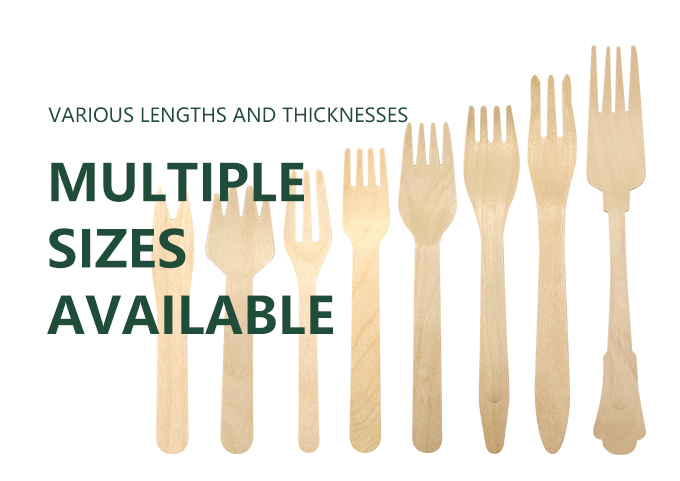
We offer a variety of sizes to suit different dining occasions:
Spoons & Forks: Small, medium, and large for desserts, meals, or buffets
Standard and extended sizes for all types of food
Custom size options available to meet your unique requirements
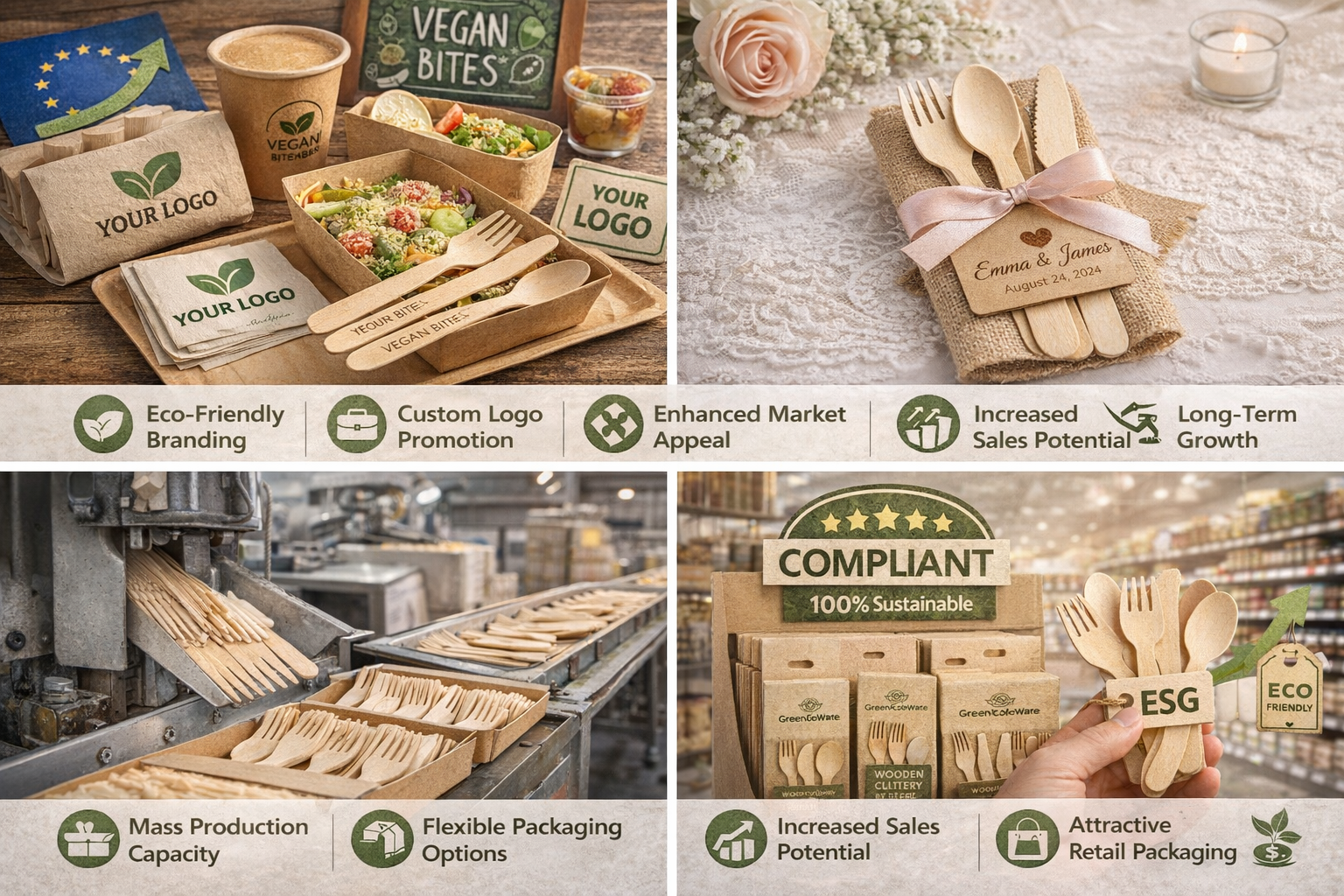
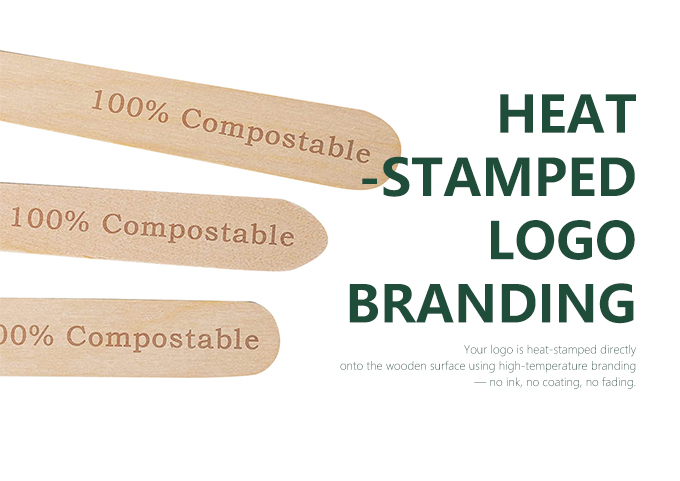
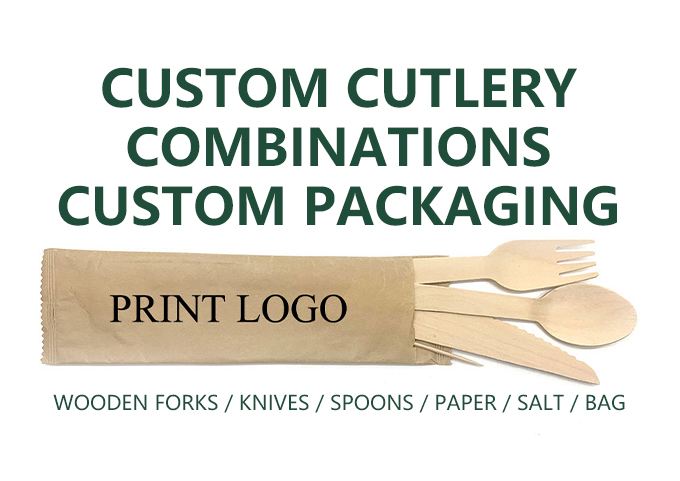
Make your brand stand out with our wooden disposable cutlery featuring custom logo printing. Using eco-friendly hot-stamping technology, your logo, brand name, or artwork can be elegantly imprinted directly on spoons, forks, knives, or packaging. Perfect for restaurants, cafes, catering services, events, or promotional giveaways.
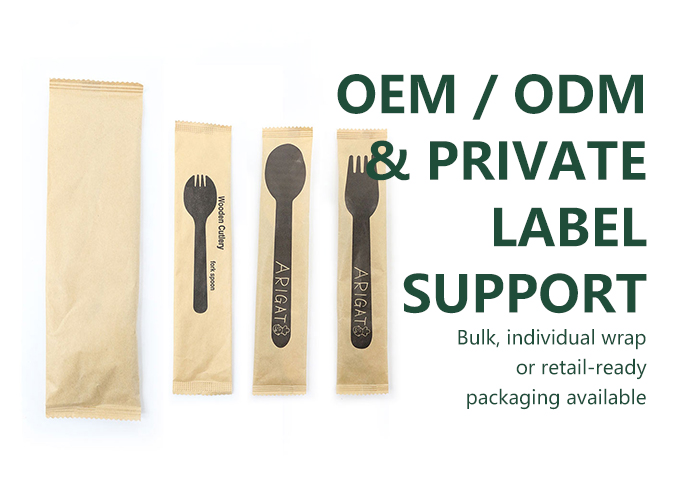
We offer custom packaging options to meet different market and branding needs.
Available in bulk, individual wrap, or retail-ready packaging.
Packaging styles and printed designs can be fully customized.
We support custom packaging, including packaging style selection and logo printing, to meet different branding and market needs. Retail-ready and bulk packaging options are available.